
Modern life places constant demands on our systems. Our approach examines how specific natural substances can help build a foundation of resilience. The core concept was first defined by scientist Nikolay Lazarev in the 1950s.
He described adaptogens as agents that increase the body's general, non-specific resistance to pressure. This foundational idea remains central today.

We explore how these botanical allies promote systemic balance. They work by supporting optimal function of the endocrine system during periods of strain. This action helps maintain cellular health and long-term vitality.
By integrating these herbs into a daily routine, you support your overall wellbeing. The goal is improved recovery from daily challenges. Our focus is on evidence-based, functional support for your natural response mechanisms.
Key Takeaways
- Adaptogens are natural substances that help the body resist stress.
- They promote cellular resilience and support long-term vitality.
- These botanicals aid in maintaining systemic balance and endocrine function.
- Integrating them can improve your recovery from daily pressures.
- Their use is rooted in historical science and modern evidence.
- They work by enhancing the body's innate stress response.
- The focus is on evidence-based support for foundational health.
Overview of Adaptogens and Their Role in Stress Support
A growing interest in natural wellness is clear. Market data from 2021 showed a 46% surge in demand for mood-support products. This reflects a collective search for foundational, gentle support.
What Are Adaptogens?
A formal scientific framework was established by researcher Israel Brekhman in 1947. He defined true adaptogens as non-toxic substances. Their core role is to help the body adapt to all forms of pressure.
This includes physical, emotional, and environmental strain. They promote a state of balance known as homeostasis.
Historical Uses in Traditional Chinese Medicine and Ayurveda
These botanicals are not new. They have deep roots in ancient healing systems. For centuries, Traditional Chinese Medicine and Ayurveda have used specific herbs to restore vitality.
Their goal was to fortify the system against life's challenges. This historical use provides a long-term perspective on their role.
We observe that these herbs work by supporting the body's stress response systems. They aid the adrenal glands and help modulate the endocrine system. Unlike stimulants, they encourage steady function during periods of high demand.
How Adaptogens Support Cellular Health and Resilience
Cellular resilience forms the bedrock of our overall vitality and ability to handle daily challenges. We examine how specific botanicals provide foundational support at this microscopic level.
These herbs deliver key compounds like flavonoids and polysaccharides. Their primary role is to shield cells from oxidative damage caused by environmental and metabolic pressures.
This protective action helps maintain the integrity of cellular structures. It is a core part of how the body builds long-term resilience.
We see these substances modulate immune function. They help ensure a balanced defensive response without overreaction. This supports systemic equilibrium during periods of intense strain.
Another critical mechanism involves mitochondrial support. Adaptogens aid in consistent energy delivery to cells. This allows the body to sustain optimal function under the physical demands of chronic stress.
Research indicates these botanicals influence the nervous system. They help calibrate the body's innate stress response. The outcome is enhanced physiological balance and daily performance.
Promoting this deep, cellular balance unlocks benefits for your long-term health. It is a science-informed approach to foundational wellness.
The Science Behind the Stress Response and HPA Axis
Our physiological reaction to strain is governed by a sophisticated neuroendocrine circuit. This system coordinates our entire body stress response to daily pressures.
Understanding the HPA Axis Mechanism
The hpa axis serves as the brain's primary communication superhighway. It involves the hypothalamus, pituitary gland, and adrenal glands working in harmony.
This axis regulates the body stress response by signaling the release of cortisol. Cortisol is a key hormone that mobilizes energy and focus during demanding moments.
Impact of Cortisol and Stress Hormones on the Body
Chronic strain keeps the hpa axis constantly engaged. This prolonged activation can deplete essential micronutrient reserves over time.
Elevated stress hormones like cortisol can disrupt metabolism and impair sleep quality. They may also negatively affect memory, blood pressure, and blood sugar regulation.
| System | Acute Response | Chronic Impact |
|---|---|---|
| Metabolic | Increased energy mobilization | Disrupted blood sugar balance |
| Cognitive | Sharpened focus | Impaired memory function |
| Cardiovascular | Elevated heart rate | Sustained high blood pressure |
| Sleep | Heightened alertness | Poor sleep quality and duration |
Balancing cortisol levels is therefore crucial. It helps prevent the overproduction of stress hormones that harm systemic function.
Top Adaptogen Supplements for Stress
Several botanicals stand out in clinical research for their ability to promote systemic balance under pressure. We focus on those with strong traditional roots and modern validation.
Consumer demand data reveals clear leaders. Ashwagandha demand grew over 160% in recent years. This solidifies its role as a cornerstone botanical.
Key Research-Backed Adaptogens
Our selection prioritizes long history and clinical evidence. Panax ginseng has been used for millennia to support energy and overall health.
These substances help the body cope with strain. They work by modulating the endocrine system. This supports the body's innate resilience mechanisms.
Different botanicals offer targeted benefits. These range from improved cognitive function to enhanced immune health. Your specific needs guide the best choice.
| Botanical | Primary Benefit | Traditional Use | Key Research Focus |
|---|---|---|---|
| Ashwagandha | Stress resilience | Ayurveda | Cortisol modulation |
| Panax Ginseng | Energy & immunity | Traditional Chinese Medicine | Endurance & metabolic support |
| Rhodiola Rosea | Mental performance | Siberian folk medicine | Fatigue reduction |
| Reishi Mushroom | Immune support | East Asian traditions | Sleep quality & immune function |
We examine these options for their safety and efficacy. A dual legacy of traditional use and science informs our approach. This ensures a foundation of trust and potential benefit.
Ashwagandha: The Queen of Adaptogens
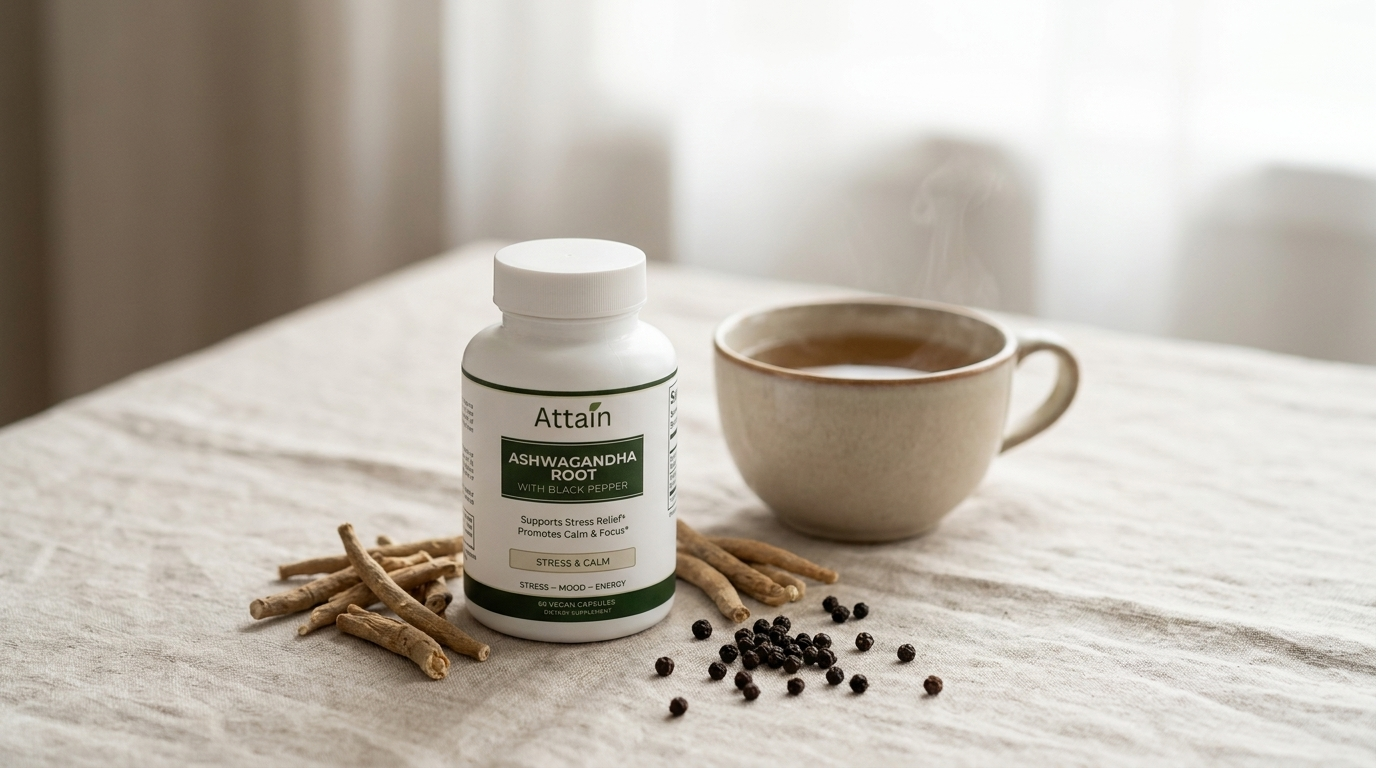
With a legacy spanning millennia, Ashwagandha has earned its title as a cornerstone of herbal support. We recognize its unique position for promoting systemic equilibrium.

This botanical is distinguished by its broad-spectrum action. It is the only such herb shown to support enhanced thyroid function and the production of both T3 and T4 hormones.
Regulating Cortisol and Stress Hormones
Its most celebrated role involves modulating cortisol, the primary hormone released during pressure. By helping to regulate these levels, it promotes a calmer state of mind.
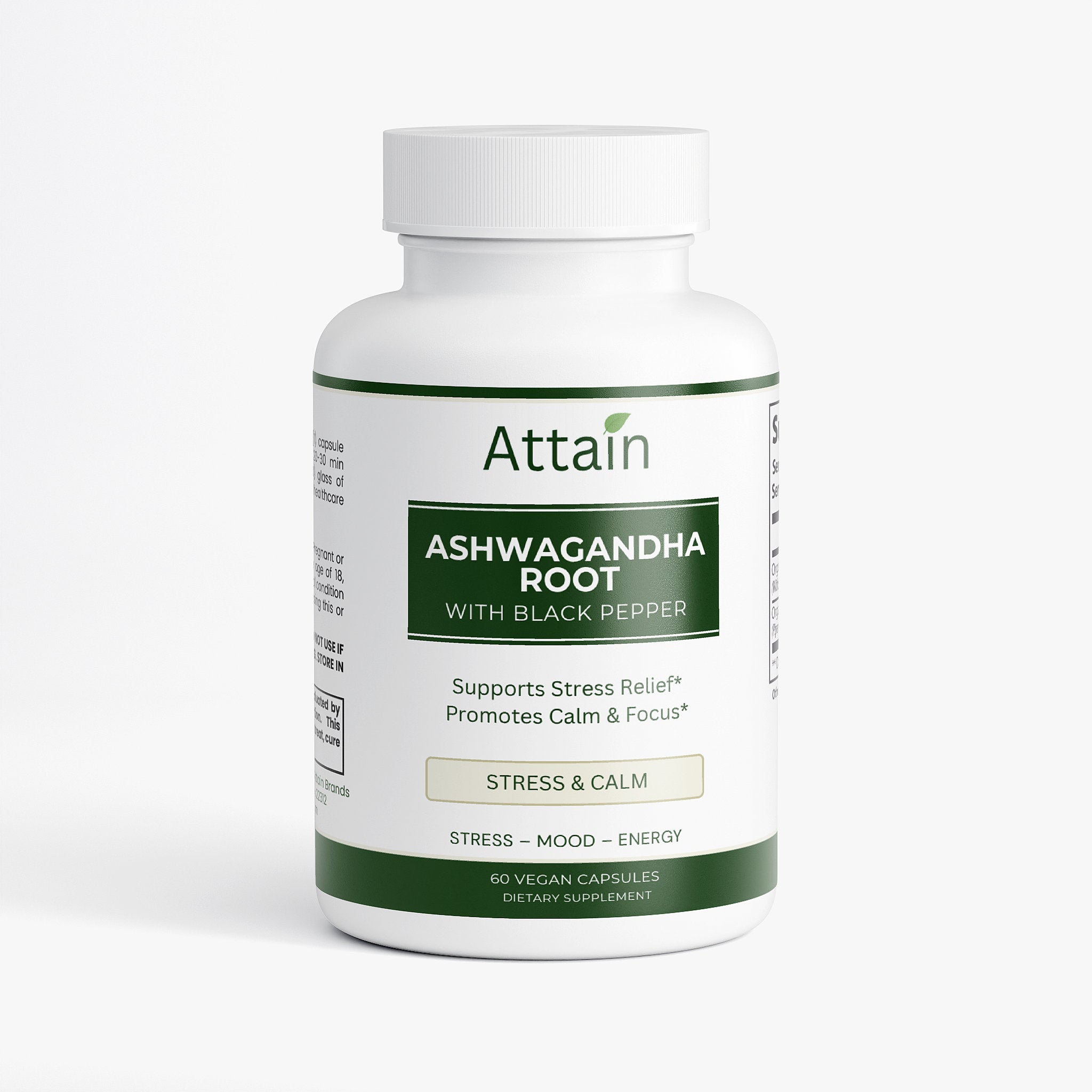
We note that the potency is best delivered through a standardized root extract. This method honors its 3,000-year history in Ayurvedic practice.
Ashwagandha aids the body's inflammatory response. This action helps you maintain better health when facing daily pressures.
Research indicates it may support the activity of natural killer cells. These are vital for a robust immune defense.
Ultimately, it helps the body cope by boosting adrenal function. It balances the hormones governing your energy, supporting long-term health and resilience.
Reishi Mushroom: Fungi for Stress and Immune Support
Reishi mushroom, revered as the 'mushroom of immortality,' offers a unique approach to fostering resilience and rest. We examine its dual role in supporting systemic equilibrium and defensive strength.
This fungus has a deep history in traditional Chinese herbalism. It was used for centuries to promote overall longevity and vitality.
Supporting Sleep and Immune Function
Modern research validates these traditional uses. A key study found daily intake of Reishi powder over eight weeks helped reduce tiredness in people with chronic fatigue.
These positive effects highlight its role in recovery. The fungi help the body adapt to pressure while supporting sleep quality.
This restorative sleep is crucial for recovering from daily demands. Reishi's ability to modulate cortisol helps regulate the fight-or-flight response.
This action ensures your immune system remains supported during periods of high strain.
| Aspect | Traditional Use | Research Benefit | Common Form |
|---|---|---|---|
| Immune Support | Promote longevity | Balances defensive response | Powder Extract |
| Sleep & Recovery | Calm the spirit | Reduces fatigue symptoms | Tea |
| Stress Response | Adapt to pressure | Modulates cortisol | Capsule |
Ways to Incorporate Reishi in Your Routine
You can easily add this botanical to your daily life. Using it in tea recipes provides a calm state of mind and body.
Powdered forms allow for simple mixing into warm beverages or smoothies. Consistent use is key for experiencing its full range of supportive effects.
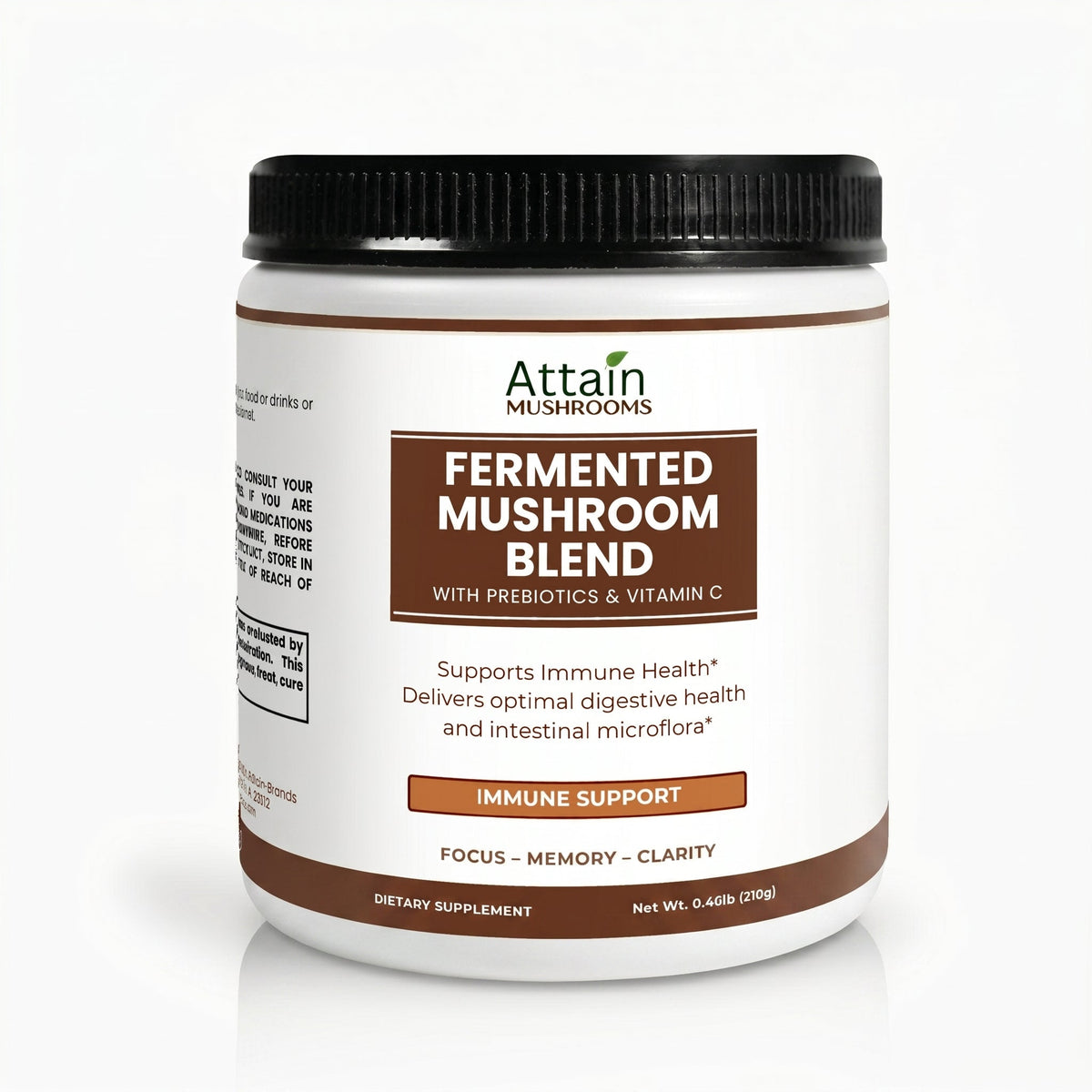
For a deeper exploration of functional fungi, read about mushroom supplements health benefits.
Rhodiola: Boosting Energy and Mental Performance
Historical records show that Nordic explorers relied on Rhodiola rosea to sustain their vigor during arduous voyages. This hardy plant thrives in extreme climates, mirroring its benefits for human stamina and focus.
Evidence-Based Benefits for Fatigue Reduction
We explain how Rhodiola rosea works by balancing cortisol secretion. This helps maintain steady energy during difficult periods.
Clinical reviews confirm its role in combating fatigue and improving cognitive function. It is particularly effective when you face significant pressure.
Its action supports the body's innate resilience to stress. This promotes both physical endurance and mental clarity.
Usage Tips and Dosage Considerations
Rhodiola rosea is an excellent choice for reducing mental fatigue. It can increase daily stamina and support overall health.
Standardized root extracts are recommended. Typical doses range from 200 to 600 mg daily, taken in the morning.
Consistent use helps the body adapt to strain. Always seek professional advice for personalized plans.
Ginseng Varieties: Enhancing Immune Health and Balance
For over two millennia, Asian Ginseng has been a foundational pillar in Traditional Chinese Medicine. It was valued for its ability to boost vitality and support overall wellness. We examine how this botanical helps modulate the body's stress response.
Its primary bioactive compounds, known as ginsenosides, influence cellular energy metabolism. This action helps the body cope with physical and emotional demands. Research indicates these compounds also support the immune health of the individual.
A key processed form is Korean red ginseng. It is created by steaming and drying Panax ginseng root. This process concentrates the active compounds for a more potent effect.
| Ginseng Variety | Key Characteristic | Primary Support Role | Traditional Use |
|---|---|---|---|
| Asian / Panax Ginseng | Whole root, ancient use | Energy & vitality foundation | Traditional Chinese Medicine |
| Korean Red Ginseng | Steamed & dried root | Potentiated active compounds | Korean herbalism |
Ginseng is widely recognized for its neuroprotective effects. These support cognitive function and help maintain systemic balance during periods of chronic stress. This makes it a valuable ally for long-term health.
For a synergistic approach, consider our Ginkgo Biloba + Ginseng capsules, or read more about how Ginkgo Biloba and Ginseng nurture your cellular health. They combine botanical strengths to nurture your cellular foundation.
Tulsi and Schisandra: Dual Herbs for Hormonal Balance and Stress Regulation
Two distinct botanicals, Tulsi and Schisandra, offer a complementary strategy for maintaining systemic equilibrium under pressure. We examine their synergistic role in supporting both emotional and physiological resilience.
Key Benefits and Traditional Background
Tulsi is a nutrient-rich herb. It contains Vitamins C and A, along with Zinc and Calcium. These are essential for supporting a healthy stress response in the body.
Recent research suggests Tulsi may support a healthy metabolism. It helps by influencing blood pressure and blood sugar levels.
Schisandra chinensis is known as the "five-flavor fruit" in Traditional Chinese medicine. This name symbolizes its unique ability to harmonize and balance multiple body systems at once.
| Herb | Primary Nutrients / Key Characteristic | Traditional Use | Modern Research Focus |
|---|---|---|---|
| Tulsi (Holy Basil) | Vitamins C, A; Zinc, Calcium | Promoting resilience & vitality | Metabolic & cardiovascular support |
| Schisandra | "Five-flavor fruit" balancing property | Harmonizing multiple systems in TCM | Cortisol modulation & energy production |
How These Herbs Regulate the Stress Response
These dual herbs help the body regulate its stress response. They work by influencing key neurotransmitters and improving cellular energy production during periods of fatigue.
We highlight that Schisandra can affect cortisol levels. This makes it a valuable tool for maintaining hormonal balance and supporting long-term emotional resilience.
Other Adaptogenic Herbs and Mushrooms to Consider
Beyond the well-known botanicals, a wider spectrum of herbs and fungi offers nuanced support for systemic resilience. We examine several with strong traditional use and emerging research.

Exploring Holy Basil, Bacopa, and More
Eleutherococcus senticosus, known as Siberian Ginseng, has a notable modern history. It was utilized by Soviet-era cosmonauts to support physical performance during demanding space missions.
This herb is valued for promoting stamina and steady energy output. It helps the body cope with intense physical tasks.
Bacopa monnieri is a potent herb from Ayurvedic practice. It functions as both an adaptogen and a nootropic, supporting memory and cognitive function.
Cordyceps mushrooms are recognized for their role in reducing fatigue. They support stamina and can be a valuable addition to a wellness routine focused on endurance.
Astragalus root is an immune-modulating herb. It may help combat tiredness and increase overall resilience when facing daily challenges.
These diverse adaptogenic herbs offer unique benefits. They support immune health and enhance your body's ability to resist physical and mental stress.
Integrating Adaptogen Supplements into Your Daily Routine
Establishing a sustainable routine with botanical allies requires thoughtful integration and personalized dosing. We guide you through evidence-based steps to incorporate these herbs effectively.
Dosage Guidelines and Best Practices
We begin with a fundamental principle. Always start with a minimal amount of any new botanical. This allows you to observe your body's unique response before considering an increase.
Consulting a healthcare provider is crucial. This step is especially important if you are managing other health conditions or taking medications.
Integration into daily life can be simple. Many find success by adding powdered forms to morning smoothies or taking standardized extracts. These methods support consistent energy levels throughout the day.
The cumulative nature of these substances means patience is vital. Their most supportive effects often become apparent after several weeks of regular use.
| Practice | Primary Purpose | Implementation Example |
|---|---|---|
| Start Low & Slow | Monitor individual body tolerance | Begin with 50% of the suggested dose |
| Professional Consultation | Ensure safety with existing health plans | Discuss use with your doctor or pharmacist |
| Choose a Convenient Form | Promote daily consistency | Mix powder into a morning smoothie |
| Commit to Consistency | Allow cumulative benefits to develop | Use daily for at least 4-6 weeks |
By adhering to these guidelines, you support your long-term health. This approach helps your body build resilience against daily pressure.
Combining Adaptogens with Lifestyle Strategies for Stress Management
Building lasting resilience requires integrating supportive botanicals with foundational lifestyle practices. We view this as a synergistic approach where each element reinforces the others.
This creates a comprehensive framework for effective stress management. Your daily habits provide the substrate upon which herbal allies can work optimally.
Complementary Exercise and Meditation Techniques
Regular movement directly modulates your body's physiological response to pressure. Moderate exercise helps regulate cortisol and supports metabolic health.
Mindfulness practices like meditation train your nervous system toward equilibrium. They enhance your innate capacity for calm focus during demanding situations.
Diet, Sleep, and Overall Wellness Tips
Nutrition forms the bedrock of systemic balance. Whole foods supply essential micronutrients that support cellular function and hormone production.
Diet and thoughtful supplementation help combat toxic burdens. Healthy habits are essential for maintaining optimal hormone levels.
Quality sleep is non-negotiable for recovery and resilience. It allows your body to repair and consolidate the benefits of other supportive practices.
| Lifestyle Pillar | Primary Support Role | Key Implementation |
|---|---|---|
| Exercise | Modulates stress response, supports metabolism | 30 min moderate activity, 5 days/week |
| Mindfulness | Trains nervous system equilibrium | 10-15 min daily meditation practice |
| Nutrition | Provides foundational cellular nutrients | Whole foods, balanced macronutrients |
| Sleep | Enables repair & recovery processes | 7-9 hours consistent, quality rest |
Integrating these pillars creates a robust foundation. Your body becomes better equipped to maintain balance regardless of external pressures.
Research Insights and Clinical Evidence on Adaptogen Efficacy
The foundation for using these herbs rests on a growing body of peer-reviewed clinical data. We examine this evidence to understand their supportive role.
Highlights from Recent Studies
A 2005 meta-analysis by Reay et al. confirmed significant findings. Panax ginseng improves cognitive function and reduces mental fatigue during sustained activity.
Clinical reviews highlight Rhodiola rosea. Scientific studies show improvements in emotional resilience and physical performance under pressure.
| Botanical | Study Focus | Key Outcome |
|---|---|---|
| Panax Ginseng | Cognitive function & mental fatigue | Significant improvement in sustained tasks |
| Rhodiola Rosea | Emotional & physical resilience | Enhanced performance under strain |
| General Adaptogens | Long-term safety profile | Must be non-toxic for chronic use |
Safety and Efficacy Considerations
We examine the efficacy and safety profile of these herbs. They must be non-toxic and safe for long-term use to be considered true adaptogens.
Ongoing studies validate how these substances influence the body's stress response. They support energy production at the cellular level for overall health.
While research is promising, always discuss the efficacy and safety of new botanical agents with your primary healthcare practitioner.
This ensures personalized guidance. The collective evidence points to supportive effects for the body facing modern demands.
How to Choose Quality Adaptogen Supplements
Navigating the marketplace for botanical extracts requires a discerning eye for quality and transparency. The integrity of your chosen products directly influences their supportive effects on your system.
Understanding Labels and Ingredients
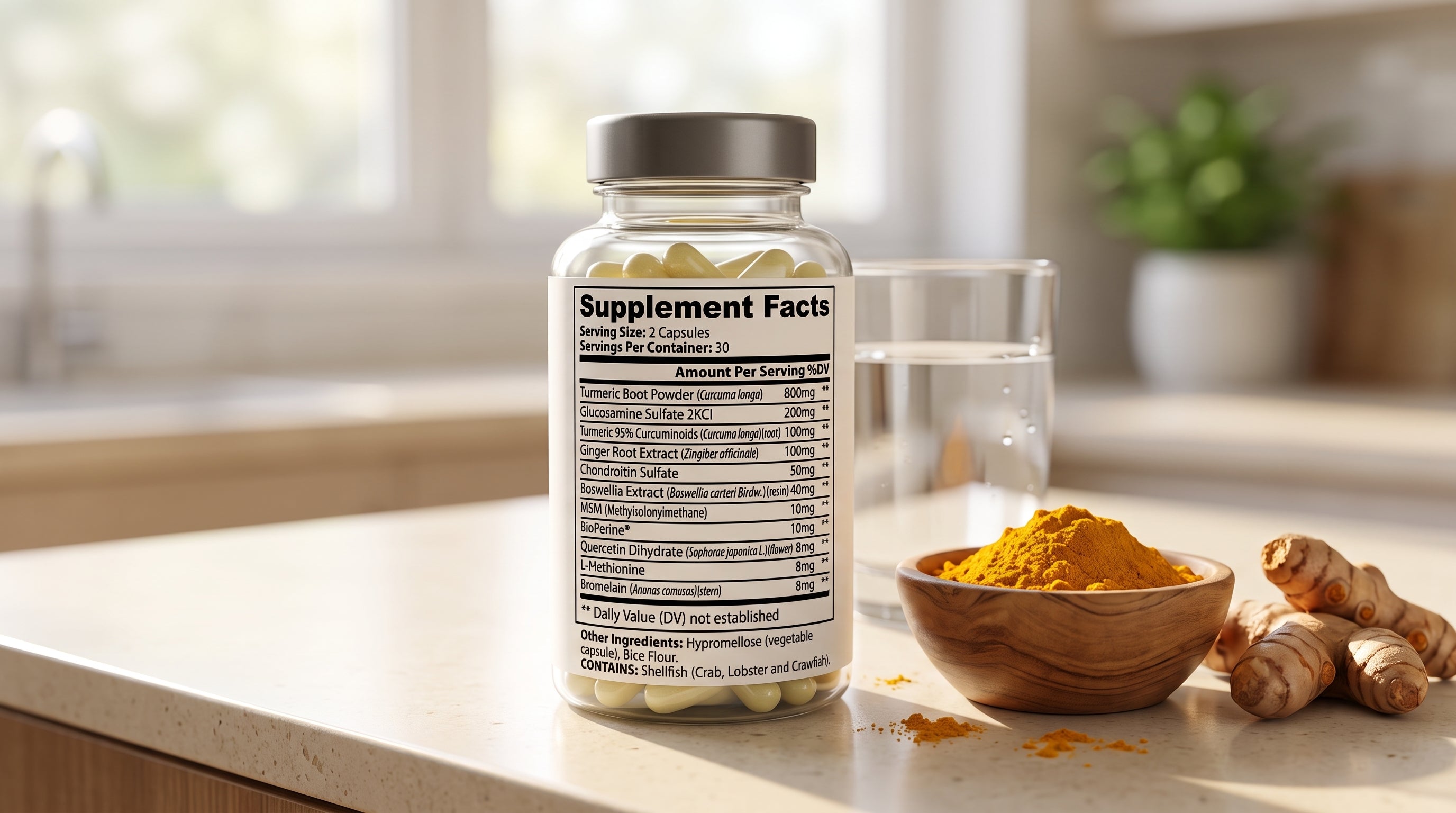
We advise you to prioritize complete transparency. Look for labels that clearly list standardized extracts and their active compound percentages.
Third-party testing certificates are a non-negotiable marker of purity. They verify the absence of heavy metals, pesticides, and microbial contaminants.
Understanding each ingredient helps you avoid unnecessary fillers. These additives offer no benefit for your long-term health goals.
Tips for Selecting Trusted Brands
Reputable companies often source their herbs from sustainable, ethical environments. This practice supports both ecological balance and potent active compounds.
Seek out certifications like USDA Organic or NSF International. These provide independent validation of quality and manufacturing standards.
By choosing brands with these commitments, you support your body's energy needs. You gain confidence in your daily routine's ability to mitigate life's pressures. Explore our full range of adaptogen and stress-support supplements.
Conclusion
We have outlined a science-informed framework for enhancing your innate resilience mechanisms. This approach helps build cellular strength and sustain long-term vitality.
Understanding your body's response to pressure allows for better management of daily demands. Integrating specific herbs supports immune function and steady energy.
These natural allies work best alongside foundational habits like quality sleep and balanced nutrition. Combining them creates a robust system for maintaining equilibrium.
We encourage consulting your healthcare provider to find the best botanical support for your unique wellness goals. This personalized step ensures optimal effects on your overall health.
FAQ
What exactly are adaptogens?
Adaptogens are a unique class of botanicals that help the body manage and adapt to various stressors. They work by supporting the body's innate stress-response systems, primarily the HPA axis, to promote balance and resilience. Unlike stimulants, they help modulate the body's reaction without causing overstimulation.
How do these herbs support cellular health?
By helping to regulate the body's stress hormones like cortisol, adaptogens support cellular function and mitochondrial health. Chronic stress can be taxing at a cellular level. These herbs aid the body's natural ability to maintain equilibrium, which is foundational for long-term vitality and healthy aging.
Can you explain the role of the HPA axis in stress?
The HPA axis—comprising the hypothalamus, pituitary, and adrenal glands—is your central stress-response system. It governs the release of cortisol and other stress hormones. When this axis is constantly activated, it can lead to imbalance. Adaptogens like ashwagandha and rhodiola rosea are studied for their role in helping regulate this critical system.
Which adaptogen is best for mental fatigue and energy?
Rhodiola rosea is particularly noted in research for supporting mental performance and reducing feelings of fatigue. It is believed to help the body utilize energy more efficiently during times of heightened demand, supporting both cognitive function and physical endurance.
How does ashwagandha help with the body's stress response?
Clinical studies suggest ashwagandha root extract can help modulate cortisol levels, the primary stress hormone. By supporting healthy cortisol regulation, it aids the body's overall stress management capacity, which may also contribute to better sleep and a calmer state of mind.
Are there adaptogens that support immune function as well?
Yes, several herbs offer dual support. Reishi mushroom is renowned in Traditional Chinese Medicine for its role in promoting immune health and resilience. Similarly, Panax ginseng has been studied for its potential to support both immune function and the body's adaptive energy.
What should I look for when choosing a quality product?
We recommend looking for transparent brands that use standardized extracts with clinically studied doses. Check labels for the specific part of the plant used (e.g., root) and its concentration. Third-party testing for purity and potency is a strong indicator of a trustworthy formula focused on efficacy and safety.
Can I combine adaptogens with other wellness practices?
Absolutely. For comprehensive stress management, we view these herbs as partners to foundational lifestyle strategies. They work synergistically with quality sleep, mindful movement like yoga, and a nutrient-rich diet to help your body cope more effectively and support overall health.