Our physical framework relies on a foundational protein. This substance acts as the essential glue within our connective tissue. It provides crucial structure to our entire physical form.

As we age, the natural production of this protein declines. This change impacts our cellular resilience and daily vitality. Understanding its role is a key step toward long-term wellness.
We examine the science behind this vital component. Our goal is to translate complex research into clear, actionable insights. This knowledge helps you make informed choices for your health.
We focus on evidence-based nutrition to support your journey. A deeper understanding of your biological needs empowers healthier aging.
Key Takeaways
- A specific protein is the primary structural component of your connective tissues.
- This substance is vital for maintaining the integrity of your physical framework.
- Its natural production decreases as part of the biological aging process.
- Supporting your body's supply of this protein can influence long-term cellular health.
- Scientific evidence forms the basis for understanding its functional benefits.
- Informed nutritional choices are central to a proactive approach to wellness.
- A systemic view of the body is essential for supporting graceful aging.
Introduction to the Ultimate Guide on Collagen and Healthy Aging
Increased longevity is a modern achievement, yet it comes with inherent structural declines. Human life expectancy now often exceeds 80 years in developed nations. This progress, driven by innovations in food and sanitation, introduces a biological process known as senescence.
Our guide examines this journey. We focus on the foundational protein that defines your physical integrity.
Understanding the Role of Collagen in the Aging Process
This essential structural component provides the scaffolding for your connective tissues. Its natural synthesis decreases over decades. This decline is a central feature of the biological aging process.
The result is a gradual change in tissue resilience and mechanical function. Supporting your body's supply of this protein is a key consideration for long-term cellular wellness.
Overview of Skin and Joint Health Challenges
Two primary areas reflect these cumulative changes. The dermal layer may lose firmness and elasticity. Articular comfort can become compromised, impacting daily mobility.
These are not inevitable declines but manageable aspects of aging. Our approach is rooted in clinical evidence. We help you understand the shifts occurring over several decades.
This comprehensive resource offers:
- A detailed look at how this foundational protein influences tissue properties.
- Clear insight into common challenges linked to its declining production.
- An evidence-based path to supporting your internal structure for lasting physical comfort.
We invite you to explore the science of graceful aging with us.
The Science Behind Collagen: Structure and Function
Researchers categorize the primary structural protein of the human form into numerous distinct types, each serving a unique purpose. This diversity is central to our physical resilience.
We explore the molecular architecture and functional specialization of this essential substance.
Types and Biological Roles of Collagen in the Body
Scientists have identified 29 variations of this fibrous protein. Types I, II, and III constitute the vast majority found within us.
Type I is the most abundant, providing the foundational matrix for our dermis and bones. Type II forms the crucial framework for articular cartilage.
Each variation is engineered for specific mechanical roles in different connective tissues.
Molecular Changes of Collagen with Age
The classic triple-helix configuration gives this molecule its renowned tensile strength. This organized structure allows our body to handle daily stress.
Over time, this orderly network can become fragmented and disorganized. The building blocks—amino acids like glycine and proline—remain, but their assembly loses integrity.
This shift from a tight grid to a disorganized maze is a core aspect of the aging process. You can learn more about the structural roles of these proteins in detailed research.
Benefits of collagen for skin and joints in the Aging Process
Clinical research now illuminates the tangible benefits of supporting our body's intrinsic scaffolding. Consistent intake of this foundational protein promotes measurable changes in tissue structure.
For the dermal layer, studies show a significant decrease in visible wrinkle depth over time. Hydration and elasticity also improve, contributing to a more resilient appearance.
Orthopedic health receives similar support. Supplementation has been shown to increase bone mineral density and mass. This directly enhances skeletal strength, addressing challenges posed by natural senescence.
The positive effects extend to daily mobility. Many individuals report reduced discomfort during physical activity. This improvement is linked to better joint functionality and cartilage support.
| Benefit Area | Measurable Outcome | Clinical Support |
|---|---|---|
| Skin Hydration | Increased moisture retention | Verified via corneometer readings |
| Wrinkle Depth | Reduction in visible lines | Confirmed by skin image analysis |
| Bone Density | Improved mineral content | Observed in DEXA scan data |
| Joint Function | Enhanced mobility scores | Noted in standardized questionnaires |
These outcomes stem from the body's ability to use bioactive peptides. They stimulate the synthesis of new, functional fibers within our connective matrix.
Dietary Sources and Supplements for Boosting Collagen
Nutrition provides the fundamental raw materials for synthesizing the body's connective framework. We obtain these components directly from our diet.
Certain foods are naturally rich in this structural protein. Tough cuts of meat, like brisket, contain it. The bones and skin of fish are also concentrated sources.
Internal production requires specific cofactors. Vitamin C, found in citrus fruits, is crucial. Zinc from shellfish and legumes supports the necessary enzymatic processes.
High-protein foods supply essential amino acids. Fish, poultry, and eggs offer glycine and proline. These are direct building blocks for your body's own synthesis.
Supplements can effectively complement a nutrient-dense diet. They help maintain levels as natural output declines with age.
| Food Source | Key Nutrient | Primary Function |
|---|---|---|
| Citrus Fruits & Bell Peppers | Vitamin C | Essential cofactor for fiber formation |
| Shellfish & Legumes | Zinc | Supports enzymatic processes in protein synthesis |
| Fish & Poultry | Amino Acids (Glycine, Proline) | Direct building blocks for internal production |
| Bone Broth | Varied Peptides | Provides pre-formed fragments for potential utilization |
A balanced approach combines whole food intake with targeted supplementation. This strategy ensures a steady supply of precursors for long-term tissue support.
Hydrolyzed Collagen vs. Undenatured Collagen: What You Need to Know
Hydrolyzed and undenatured represent two primary categories of this structural protein supplement. Their manufacturing processes differ significantly. This influences how your body absorbs and utilizes each form.
Processing Techniques and Absorption Rates
Hydrolyzed collagen undergoes enzymatic breakdown. This process creates smaller chains called peptides. These fragments have a low molecular weight.
This reduced size enhances digestibility and absorption rates. The body can efficiently transport these peptides into the bloodstream. Most hydrolyzed collagen ranges from 0.3 to 8 kDa.
In contrast, undenatured type II collagen (UC-II) is processed differently. It is typically sourced from chicken breastbone cartilage. It is not exposed to high heat or harsh acids.
This gentle method aims to preserve the protein's native triple-helix structure. The goal is to support a specific immune-mediated response for articular comfort.
Peptides with a lower molecular weight generally exhibit superior bioactivity. This is why the hydrolyzed form is preferred for daily use. It dissolves easily and is highly digestible.
Choosing the right type depends on your specific wellness objectives. Hydrolyzed collagen is often selected for systemic connective support. The undenatured version is targeted for particular joint health pathways.
Scientific Evidence and Clinical Trials on Collagen Supplementation
The efficacy of any wellness supplement must be validated through systematic scientific inquiry. We rely on robust methodologies like randomized controlled trials and meta-analyses.
These approaches provide the clearest picture of true biological impact.
Key Findings from Randomized Controlled Studies
A 2018 randomized controlled trial offers a clear example. Participants received 1,000 mg of specific peptides daily for 12 weeks.
Results showed significant improvements in dermal elasticity and hydration compared to the placebo group. This highlights the value of a well-conducted placebo-controlled study.
Comparative Analysis of Clinical Outcomes
Broader reviews consolidate data from multiple studies. A meta-analysis of 19 clinical trials, involving over 1,000 people, confirmed consistent benefits.
These included enhanced skin density and hydration after three months of consistent intake. High-quality, independently funded research is crucial for an unbiased assessment.
Such analyses help scientists determine optimal protocols for visible results.
| Research Method | Primary Purpose | Typical Scale | Key Strength |
|---|---|---|---|
| Randomized Controlled Trial (RCT) | Establish direct cause-and-effect for a specific intervention. | Single study, controlled group. | Isolates the variable being tested against a placebo. |
| Meta-Analysis | Synthesize findings across multiple existing studies. | Aggregated data from numerous trials. | Provides higher statistical power and identifies overall trends. |
This evidence-based approach informs our understanding of nutritional support for connective tissue.
Enhancing Skin Elasticity and Hydration with Collagen Supplements
Skin's ability to bounce back and retain moisture is a direct function of its protein framework. This resilience depends on a healthy dermal matrix.
A 12-week clinical trial provides clear evidence. Eighty-five women, aged 45 to 60, took 10 grams of hydrolyzed collagen daily. They showed measurable gains in both skin elasticity and hydration.
Bioactive peptides from this supplement stimulate fibroblasts in the dermis. These cells are responsible for maintaining the structural network.
The mechanism involves specific peptides binding to membrane receptors. This binding signals an increase in hyaluronic acid production. The result is improved moisture retention and a plumper appearance.
| Measurement | Baseline | After 12 Weeks | Change |
|---|---|---|---|
| Elasticity (Cutometer units) | 0.65 | 0.78 | +20% |
| Hydration (Corneometer units) | 42.1 | 48.7 | +15.7% |
| Wrinkle Depth (VISIA analysis) | Moderate | Reduced | Visible improvement |
Counteracting the natural decline in firmness requires consistent support. A long-term commitment through targeted nutrition and supplementation is key for lasting dermal health.
Relieving Joint Pain and Supporting Cartilage Health
The integrity of articular cartilage directly influences our experience of joint comfort and mobility. This firm, rubbery tissue acts as a crucial shock absorber. It cushions the ends of bones within synovial joints.
Approximately 60% of this protective matrix is composed of a specific structural protein. This composition is vital for handling the impact of daily movement. When this framework degrades, discomfort and stiffness often follow.

Impact on Joint Mobility
Articular cartilage can undergo progressive changes over time. The resulting friction between bones is a common source of joint discomfort. This can significantly affect a person's functional mobility.
Clinical research points to a supportive role for targeted supplementation. Specific peptides can provide the building blocks the body uses to maintain this tissue. Studies indicate improvements in joint mobility and comfort scores for many individuals.
This approach supports the cartilage's natural resilience. It is a measured strategy for maintaining comfort associated with daily activity. Supporting this tissue is fundamental for maintaining an active lifestyle.
Collagen Peptides: Formulations, Dosages, and Effective Usage
Determining the right protocol for peptide supplementation requires attention to specific dosage ranges and formulation types. Clinical evidence provides a clear framework for effective daily intake.
Studies on hydrolyzed collagen peptides have used daily doses ranging from 2.5 to 15 grams. This is the standard for supporting general connective tissue integrity. For undenatured type II collagen (UC-II), a much smaller dose of 40 mg is often sufficient to support joint health.
You can easily incorporate collagen peptide powders into your daily routine. They mix seamlessly into liquids like coffee or smoothies. This simplifies consistent daily intake.
Choosing high-quality supplements is crucial. Verify the product label states the exact amount of collagen peptide per serving. Reputable brands ensure purity and accurate weight measurement.
| Formulation | Typical Daily Dose | Primary Use | Key Consideration |
|---|---|---|---|
| Hydrolyzed Collagen Peptides | 2.5 - 15 grams | Systemic connective tissue support | Easily dissolvable; high bioavailability |
| Undenatured Type II Collagen (UC-II) | 40 mg | Targeted joint comfort support | Preserves native structure for specific immune response |
Consistency is key for lasting results. Your body requires a steady supply of these bioactive peptides to maintain tissue structure. Adhering to a daily protocol supports long-term cellular resilience.
Factors Influencing Collagen Production and Degradation
Understanding what accelerates or slows the turnover of our foundational proteins is key to proactive wellness. This balance between synthesis and breakdown dictates tissue resilience.
Natural production of this structural protein begins to slow around age 25. After 40, the body experiences an approximate 1% annual loss in its levels. This gradual reduction contributes to visible signs of aging over time.
External and lifestyle elements significantly influence this process. Key factors include chronic sun exposure, smoking, and excess alcohol consumption. Inadequate sleep and high stress also play a role by elevating cortisol.
Chronically high cortisol can directly inhibit new protein synthesis. Mitigating these factors helps preserve your body's natural levels for as long as possible. We advise consistent sun protection, stress management, and avoiding toxins to support long-term tissue integrity.
Lifestyle Habits That Complement Collagen Supplementation
Beyond any single supplement, a constellation of daily practices determines the long-term resilience of your connective tissues. We view targeted nutrition as one component within a broader ecosystem of wellness.
Your routine choices either amplify or diminish the benefits of your protocol.
Effects of Sun Exposure, Diet, and Regular Exercise
Sunlight requires a balanced approach. Brief midday exposure supports vitamin D synthesis, crucial for bone health.
Yet prolonged exposure damages the protein fibers within your dermis. Consistent protection is a key strategy against premature aging.
Your diet provides the essential cofactors for internal synthesis. Whole grains, fruits, and vegetables supply vitamins and minerals that support this natural production.
Regular physical activity offers systemic benefits. It slows cellular processes linked to skin aging and works in tandem with your supplementation.
Adequate sleep is non-negotiable. Seven to nine hours nightly allows your body to perform deep repair work.
This holistic approach supports your overall physical health. For deeper insight into micronutrient synergy, explore the benefits of vitamin K2 and D3.
Together, these habits create a foundation for graceful aging. They ensure your nutritional strategy delivers its full potential.
Ensuring Safety, Purity, and Efficacy in Collagen Supplements
The purity of any nutritional supplement is as crucial as its intended benefits. Independent analyses, such as those by ConsumerLab, confirm most products contain their listed ingredients. This verification provides a foundational layer of trust.
Concerns regarding potential contaminants like cadmium exist. These heavy metals appear in rare instances within the supply chain. Vigilance is necessary for long-term wellness.

The FDA does not review these products for safety before they reach store shelves. This regulatory gap makes third-party certification vital. Look for seals from independent laboratories on product labels.
Transparent labeling is a key indicator of quality. It should clearly state the exact peptide content and source. This clarity helps you evaluate a supplement's true value.
| Consideration | What to Look For | Why It Matters |
|---|---|---|
| Third-Party Verification | Seals from NSF, USP, or ConsumerLab | Confirms ingredient accuracy and purity standards |
| Contaminant Testing | Heavy metal screening results | Ensures the product is free from harmful elements |
| Label Transparency | Exact amount and type of collagen listed | Allows for accurate dosing and source identification |
| Side Effect Profile | Note of potential digestive sensitivity | Prepares you for a rare but possible reaction |
Some individuals may experience mild stomach upset when beginning a new supplement. This is uncommon but worth noting. Starting with a smaller dose can help your body adjust.
We provide this knowledge so you can make safe, informed choices. Your investment should support your health without introducing unnecessary risk to your body.
Integrating Collagen into a Holistic Anti-Aging Routine
Integrating structural support into your daily life requires viewing wellness as a continuous, lifelong practice. This foundational component is consumed rapidly by your system. Consistent intake is necessary to maintain its benefits over decades.
We suggest viewing this commitment as part of a broader ecosystem. Optimal results emerge from synergy, not isolation. Your routine should include targeted nutrition, restorative sleep, and mindful stress management.
Balance your supplement intake with other evidence-based practices. Think systemically about your long-term health. Every daily habit contributes to the vitality of your physical framework.
This protein is not a miracle treatment. It serves as a valuable tool for supporting your body's inherent resilience during the aging process. A comprehensive approach builds lasting cellular wellness.
Conclusion
Armed with evidence-based insights, you can now approach aging with greater confidence. This guide detailed how collagen supports tissue integrity throughout life.
Understanding the science behind these peptides empowers your supplement choices. Select high-quality options that align with personal wellness goals.
We hope this resource aids informed decisions about nutrition and lifestyle. Long-term vitality stems from consistent, daily habits.
A balanced diet and regular exercise protect your body's natural collagen levels. Your journey toward healthy aging is a continuous practice of self-care.
We invite you to move forward with assurance from proactive steps. Investing in your cellular resilience supports overall health.
Related Products

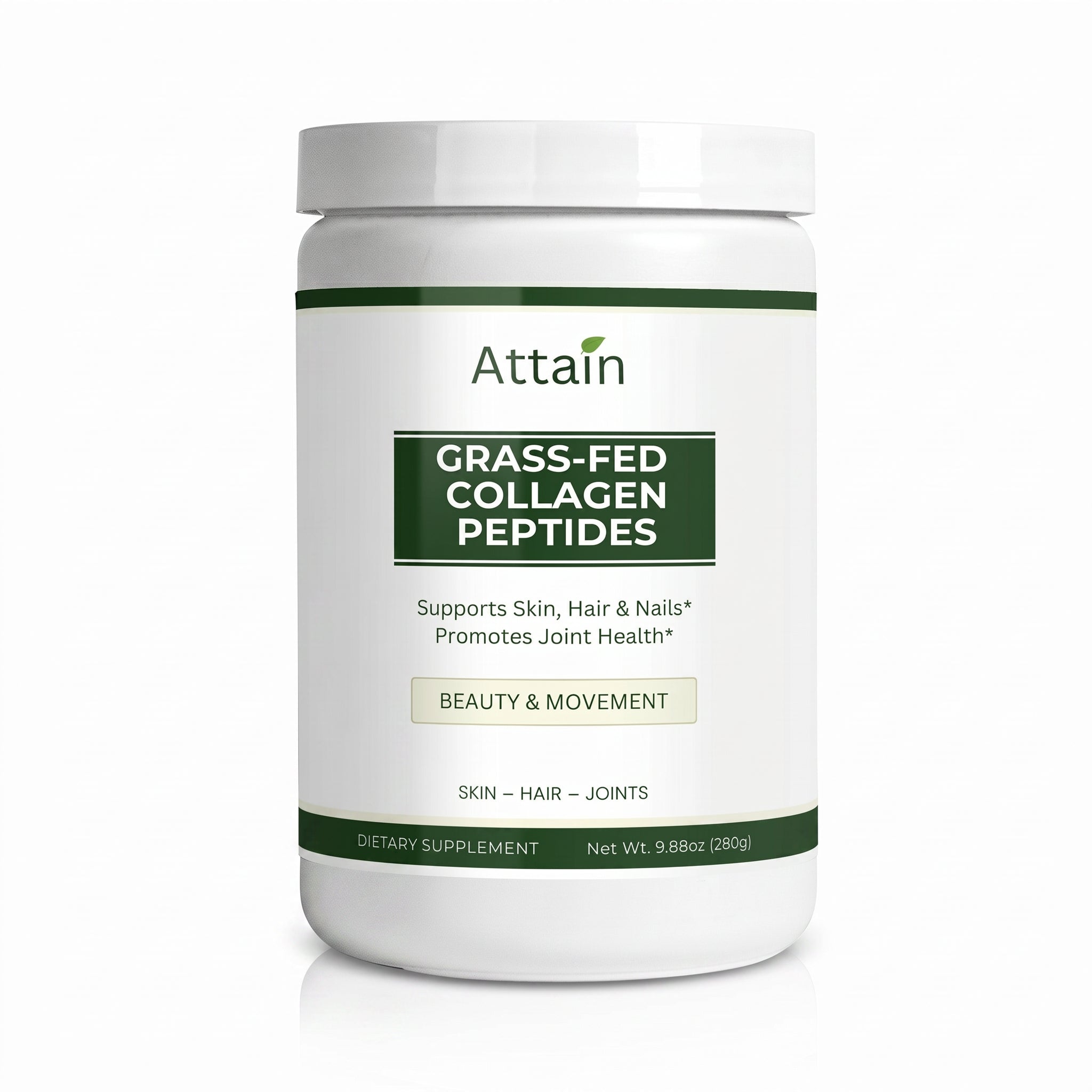
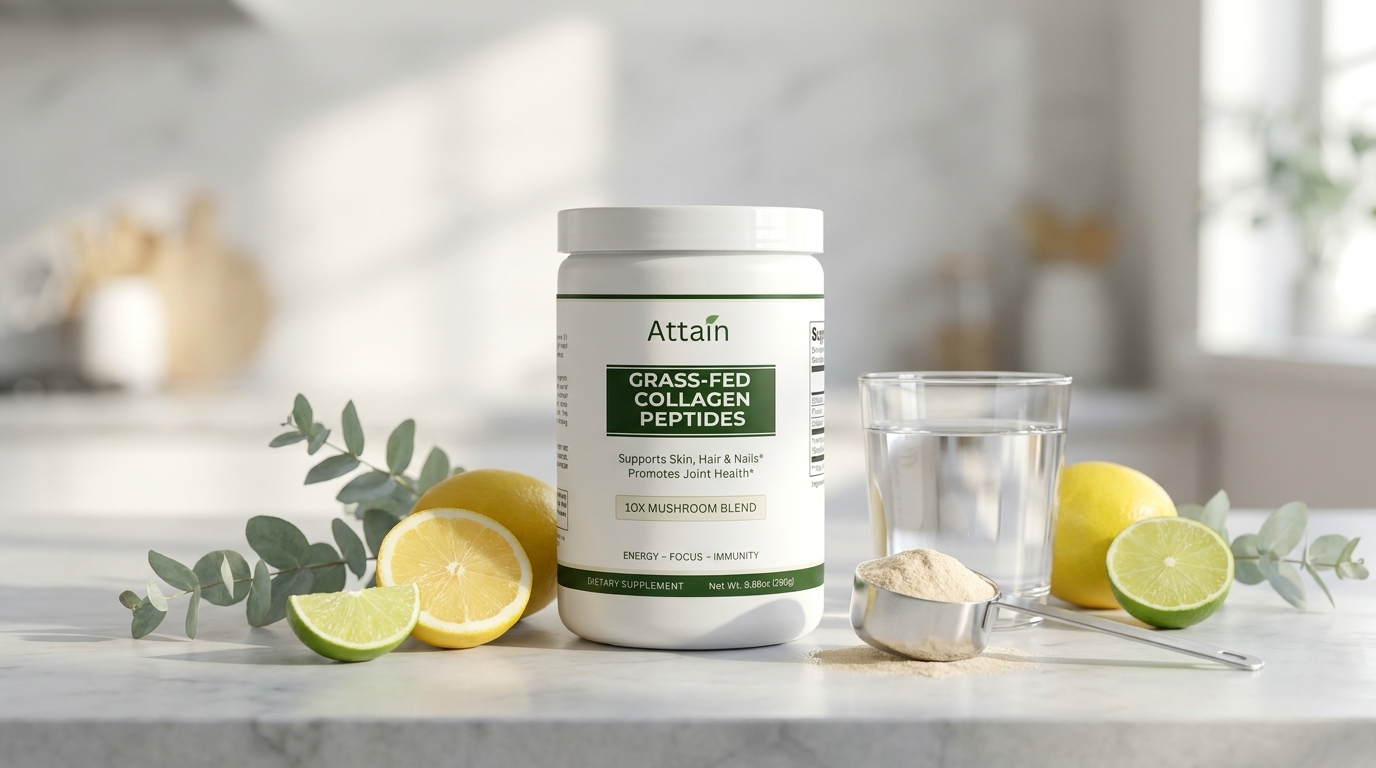
Ready to put this into practice? Our Grass-Fed Hydrolyzed Collagen Peptides deliver highly bioavailable peptides that mix easily into coffee or smoothies to support skin elasticity, hydration, and joint comfort. For a full skin-supporting routine, browse the Beauty & Glow collection.
FAQ
What is the main reason collagen is important as we age?
Our body's natural production of this essential protein declines over time. This decrease is a primary factor in visible signs of aging skin and the increased joint discomfort many experience. Supplementing with specific peptides can help support the body's connective tissue framework from within.
What is the difference between hydrolyzed collagen and other types?
Hydrolyzed collagen, often called collagen peptides, undergoes a process that breaks the protein into smaller, more bioavailable fragments. This greatly enhances its absorption in the digestive tract, allowing the amino acids to reach the skin, joints, and other tissues where they are needed to support rebuilding.
Is there strong scientific evidence supporting collagen supplements?
Yes. Multiple randomized controlled and placebo-controlled study publications demonstrate clear benefits. These clinical trials show that consistent oral supplementation can improve skin elasticity and hydration and help support joint comfort associated with physical activity.
How do collagen peptides specifically benefit skin health?
Clinical studies indicate that ingested peptides stimulate your skin's cells to produce new collagen and other supportive proteins. This internal action helps improve skin elasticity, reduce the appearance of fine lines, and enhance overall hydration and firmness, addressing key factors of aging skin.
Can these supplements help with joint comfort and stiffness?
Research supports their role in joint comfort. The amino acids provided by collagen hydrolysate are the building blocks for maintaining healthy cartilage. By supporting the structure of this connective tissue, supplementation can help support joint comfort, mobility, and long-term joint health.
What should I look for in a high-quality collagen peptide supplement?
We recommend seeking a hydrolyzed collagen product with verified high bioavailability. Look for collagen peptides derived from clean sources known for their small particle size and efficacy. Third-party testing for purity and heavy metals is also a key marker of a trustworthy supplement.
Are dietary sources enough, or do I need a supplement?
While food sources like bone broth provide beneficial amino acids, it is challenging to consume a consistent dose through diet alone. A high-quality collagen peptide supplement offers a concentrated, reliable dose of the specific building blocks your body uses to maintain its connective tissue, making it a practical addition for targeted support.
What lifestyle factors support my body's natural collagen production?
Protecting your skin from excessive sun exposure is crucial, as UV light accelerates protein degradation. A diet rich in vitamin C, copper, and zinc supports enzymatic processes for natural production. Avoiding smoking and managing stress also helps preserve your body's existing collagen and overall cellular health.
These statements have not been evaluated by the Food and Drug Administration. This product is not intended to diagnose, treat, cure, or prevent any disease.