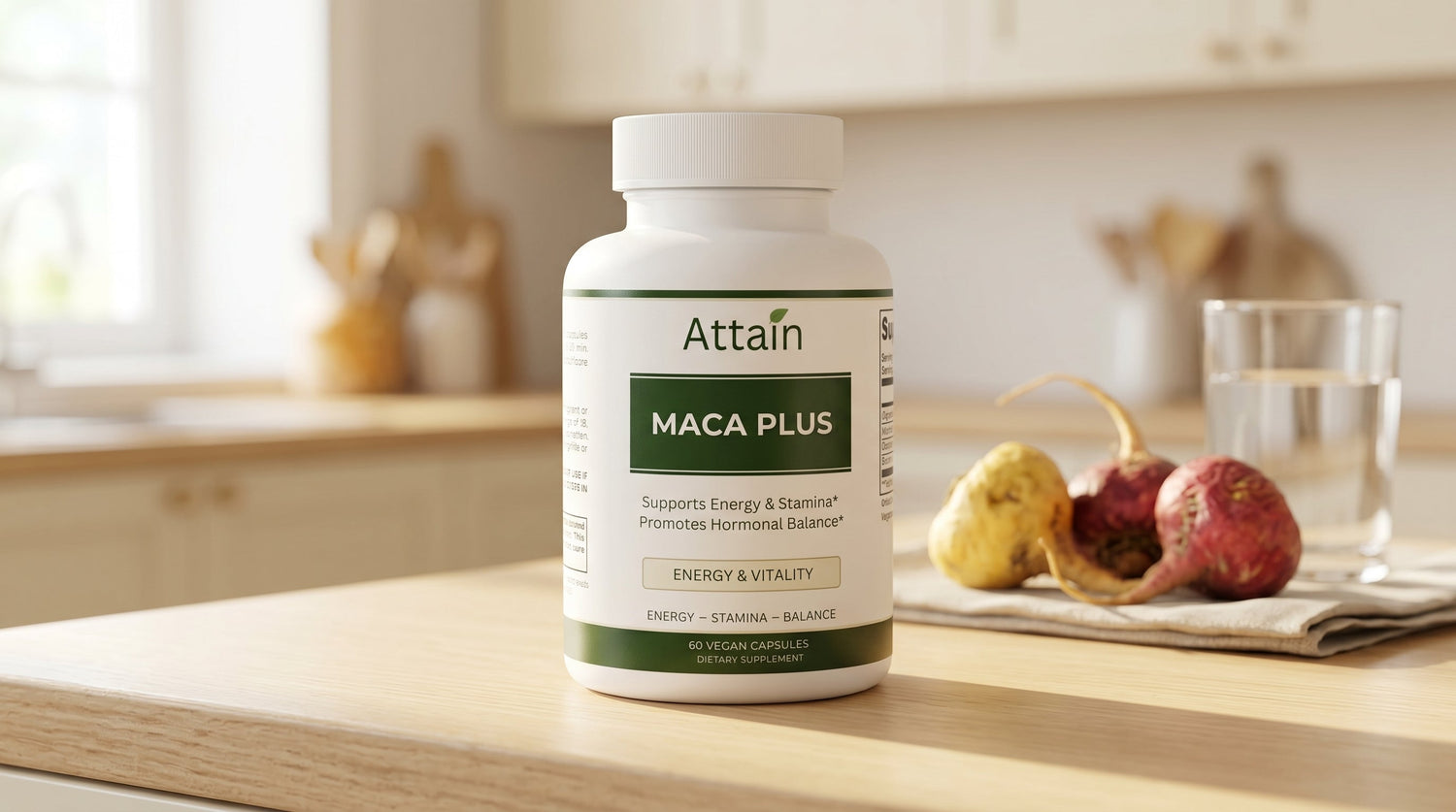
If you feel constantly drained, notice your mood swinging more than it used to, or sense your drive and spark have quietly faded, you are not imagining it — and you are far from alone. For many women, energy, mood, and libido are tightly tied to the natural rhythm of hormones, and those rhythms shift across the month and across the decades. One of the most talked-about natural options for gentle, daily support is maca root, a nutrient-dense Peruvian plant that has been used for centuries. Below, we break down the real maca root benefits for women, how this adaptogen works, what the research suggests, and how to choose and use it wisely.

Why so many women feel off-balance
Fatigue, low mood, irritability, and a dip in libido rarely have a single cause. Daily stress keeps cortisol elevated, sleep is often shortchanged, and the natural hormonal shifts of the menstrual cycle, postpartum recovery, and perimenopause can all influence how energetic and emotionally steady you feel. When estrogen and progesterone fluctuate, it is common to notice changes in sleep, mood, and sex drive. The goal is not to force the body into a different state, but to give it nourishing support so it can do what it is designed to do. That is exactly where adaptogens like maca have earned their reputation.
What is maca root?
Maca (Lepidium meyenii) is a hardy root vegetable grown high in the Peruvian Andes, where it has been eaten as a food and used in traditional wellness practices for thousands of years. It belongs to the same family as broccoli and radish, and the root is dried and milled into a powder or concentrated into capsules. Maca comes in several natural colors — most commonly yellow, red, and black — and each color has a slightly different nutrient profile. Red maca is traditionally associated with hormonal wellness, black maca with energy and stamina, and yellow maca with overall vitality. A full-spectrum, tri-color blend like Maca Plus Capsules aims to capture the strengths of all three in one daily serving.
Importantly, maca does not contain hormones. It is sometimes called a hormone-free, plant-based way to support the body’s own balance, which is part of why it appeals to women who prefer a gentle, food-derived option.
How maca works in the body
Maca is classified as an adaptogen — a category of plants thought to help the body adapt to physical and mental stress and return toward equilibrium. Rather than acting like a stimulant or delivering hormones directly, maca appears to support the systems that govern energy and hormonal signaling. Researchers believe its unique plant compounds (including macamides and macaenes) and its dense nutrition — B vitamins, vitamin C, copper, iron, potassium, and antioxidants — work together to support cellular energy production, stress resilience, and overall vitality. Because it nourishes rather than overrides, maca is generally taken consistently over weeks for cumulative support.
Key maca root benefits for women
1. Steadier daily energy and stamina
One of the most common reasons women reach for maca is natural, stimulant-free energy. Unlike caffeine, maca does not spike and crash. Its B vitamins and minerals support the body’s energy metabolism, which may help reduce the feeling of occasional fatigue and support stamina through busy days and workouts. If you are building a broader routine, our guide to the best supplements for energy pairs well with this approach.
2. Mood and stress resilience
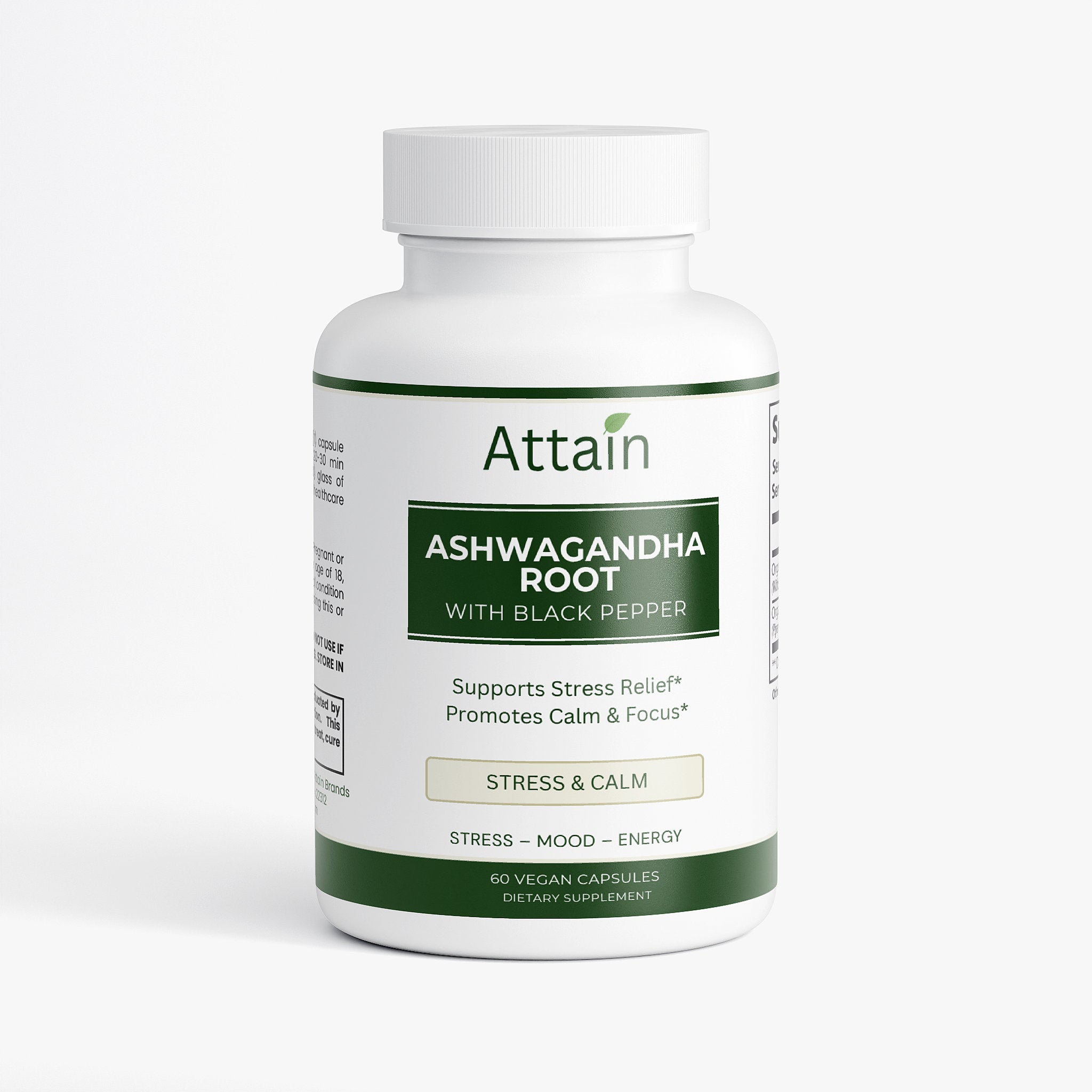
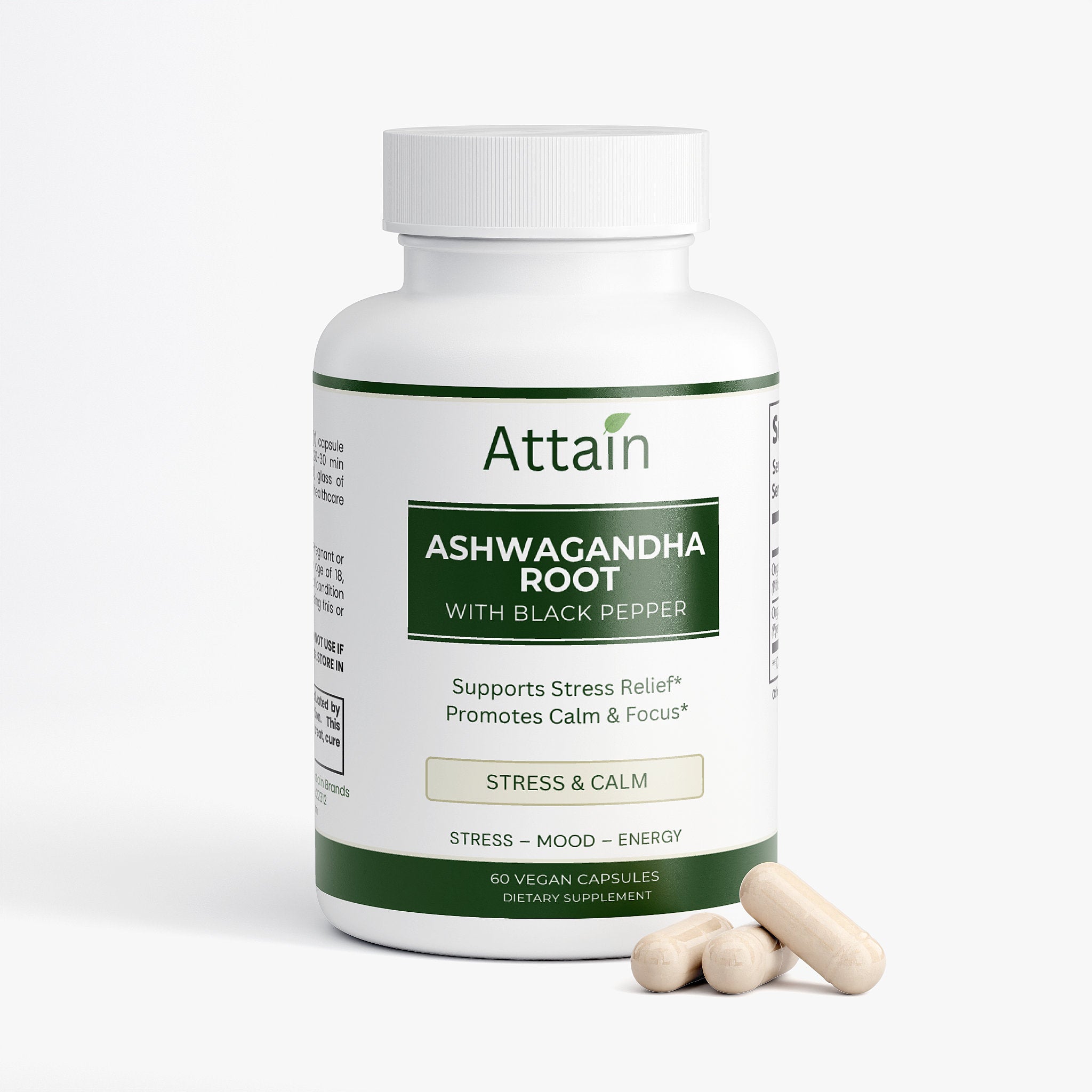
Because maca is an adaptogen, many women find it helps them feel more even-keeled and better able to cope with everyday stress. Some studies in menopausal and perimenopausal women have reported improvements in mood and reductions in feelings of anxiousness and low mood with regular maca use. For mood support tied specifically to stress and cortisol, maca is often stacked with other adaptogens such as Ashwagandha Plus — you can read more in our deep dive on ashwagandha benefits for stress and cortisol.
3. Healthy libido and sexual wellness
Maca has a long traditional reputation as a libido-supporting root, and it is one of the better-studied natural options in this space. Several small clinical trials have observed improvements in self-reported sexual desire in both men and women after consistent maca use, independent of changes in hormone levels. For women experiencing a dip in drive due to stress or natural hormonal shifts, maca offers a gentle, non-hormonal way to support healthy libido and overall sexual wellness.
4. Support through perimenopause and hormonal shifts
The years leading up to menopause often bring fluctuating energy, mood, and sleep. Research on maca in perimenopausal and postmenopausal women suggests it may help support comfort and quality of life during this transition, again without supplying hormones. Many women appreciate that maca works with the body’s natural balance rather than introducing anything synthetic.
5. Antioxidant support for healthy aging
Maca is naturally rich in antioxidants, which help neutralize oxidative stress — one of the everyday processes involved in cellular aging. Consistent antioxidant intake from whole-food sources like maca is part of a sensible long-term approach to staying vital as you age.
6. A nutrient-dense addition to an active lifestyle
For women who train, maca’s reputation for supporting stamina and recovery makes it a popular pre-workout-adjacent option. It layers comfortably with other foundations like magnesium for relaxation and recovery — our Magnesium Glycinate Capsules are a common companion for evenings.

What to look for in the best maca supplement
Not all maca is created equal. To get the most from it, look for a few markers of quality. First, choose a full-spectrum, tri-color blend (red, black, and yellow) rather than a single color, so you benefit from the complete range of plant compounds. Second, favor organic, gelatinized or thoughtfully processed maca from a transparent source — gelatinization removes starch and can make maca easier to digest. Third, check the potency per serving; a meaningful daily dose is typically around 1,500 mg or more. Fourth, look for added black pepper extract, which can enhance absorption, plus quality markers like non-GMO, vegan, and manufacturing in a GMP-certified facility. Maca Plus was formulated around exactly these standards: organic red, black, and yellow maca at over 1,500 mg per serving, with black pepper for absorption.
How much maca should women take?
A common daily amount in research and traditional use is roughly 1,500 mg to 3,000 mg of maca. With Maca Plus, the suggested use is two capsules once daily, ideally taken 20–30 minutes before a meal with a full glass of water. Many women prefer to take it in the morning or early afternoon, since maca’s energy support is best enjoyed during active hours. As with any supplement, it is wise to start at the lower end and see how your body responds.
How long does maca take to work?
Maca is not an instant fix. Because it supports the body gradually, most people take it consistently for several weeks before noticing the fuller benefits. Some women report a lift in energy within the first week or two, while mood, libido, and hormonal-balance support tend to build over four to twelve weeks of daily use. Consistency matters far more than dose — a steady daily habit is what allows maca’s cumulative support to show up.
A simple daily maca routine
Keeping it easy makes it stick. A straightforward approach: take two Maca Plus capsules each morning before breakfast with water, pair it with a protein-forward breakfast for steady energy, and stay consistent for at least eight weeks before judging the results. If stress and sleep are part of your picture, you might add an adaptogen like ashwagandha during the day and magnesium glycinate in the evening to round out a calm, energized rhythm.
Is maca safe? What women should know
Maca is generally well tolerated and has a long history of use as a food. Most women take it without issue, though some notice mild digestive changes when first starting, which often settle as the body adjusts. Because maca can influence how you feel day to day, a few groups should be especially cautious and speak with a healthcare provider first: women who are pregnant or nursing, anyone with a thyroid condition (maca contains goitrogens, like other cruciferous plants), and anyone with a hormone-sensitive condition or taking prescription medications. When in doubt, check with your healthcare provider before adding maca or any new supplement to your routine.
Frequently asked questions
Does maca affect hormones directly?
No. Maca does not contain hormones and does not appear to change baseline hormone levels in studies. Instead, as an adaptogen it is thought to support the body’s own hormonal signaling and stress response, which is why effects tend to feel gentle and build over time.
Can maca help with low libido?
Maca is one of the more studied natural options for sexual wellness, and several small trials have reported improvements in self-reported desire with consistent use. It may help support healthy libido, particularly when low drive is connected to stress or fatigue, though individual results vary.
Will maca give me energy like caffeine?
Not in the same way. Maca is stimulant-free, so it does not cause a jittery spike or a crash. Its support for energy comes from nourishing the body’s energy metabolism, producing a steadier, more sustained feeling of vitality over weeks of use.
What is the best time of day to take maca?
Most women take maca in the morning or early afternoon, before a meal, so its energy support aligns with active hours. Taking it very late in the day is generally avoided simply because some people find it energizing.
How long should I try maca before deciding if it works?
Give it at least four to eight weeks of consistent daily use. Energy may shift sooner, but mood, libido, and hormonal-balance support typically need more time to become noticeable.
The bottom line
For women navigating low energy, shifting moods, a fading spark, or the natural ups and downs of perimenopause, maca root offers a gentle, food-derived, hormone-free way to support how you feel every day. The keys are choosing a high-quality, full-spectrum blend and staying consistent long enough to let it work. If you are ready to try it, Maca Plus Capsules deliver organic red, black, and yellow maca at over 1,500 mg per serving with black pepper for absorption — a simple, once-daily place to start. Pair it with steady sleep, movement, and a nourishing diet, and give your body the time it needs to find its rhythm.
*These statements have not been evaluated by the Food and Drug Administration. This product is not intended to diagnose, treat, cure, or prevent any disease. Consult your healthcare provider before beginning any new supplement.