Aging well is rooted in the daily function of our cells. Foundational nutrients play a key role in this process. The importance of one such mineral was formally recognized in the 1960s. Its deficiency was identified as a critical factor for human health.

This essential element is involved in countless processes within the body. It influences the creation of DNA and aids in wound repair. Its role in maintaining proper cellular signaling and structural integrity is fundamental.
Our defenses rely on this nutrient to operate correctly. It helps ensure the body functions as it should during daily challenges. A focus on long-term vitality requires understanding these cellular relationships.
We translate clinical findings into clear insights. This guide examines the complex role this mineral plays in your health. You will learn how evidence-based strategies can influence your wellness outcomes as you age.
Key Takeaways
- Zinc is a foundational mineral, essential for DNA synthesis and cellular repair.
- Proper cellular signaling and structural integrity depend on adequate levels of this nutrient.
- The body's defense system requires it for optimal function and resilience.
- Balanced nutrition is crucial for maintaining long-term vitality and healthy aging.
- Informed decisions about supplementation should be based on clinical evidence.
- Specific proteins and signaling pathways use this mineral to combat oxidative stress.
Understanding Zinc: The Essential Mineral for Immune Function
The discovery of zinc deficiency in the 1960s marked a pivotal moment in nutritional science. It highlighted the essential nature of this trace mineral for human health. Our body contains about 2 to 3 grams of it, making it the second most abundant metal.
Overview of Zinc’s Role in the Body
This mineral is distributed unequally across organs and tissues. It is vital for optimal growth and development. We recognize its critical role in the creation of our defense cells.
These cells act as the body's first line against pathogens. Research confirms that a lack of this nutrient leads to serious issues. Growth failure and tissue atrophy are key implications.
| Function Category | Specific Action | Relevance to Aging |
|---|---|---|
| Enzyme Activity | Co-factor for over 300 enzymes | Maintains metabolic processes |
| Cellular Development | Essential for DNA synthesis and cell division | Supports tissue regeneration |
| Structural Integrity | Maintains cell membrane stability | Helps prevent cellular damage |
| Defense Coordination | Regulates signaling for immune response | Aids in managing infections |
Importance in Healthy Aging
As we age, the body requires consistent intake of this element. It supports the regeneration of critical cells. This maintains overall metabolic function.
Understanding its role helps us appreciate how it aids the body. It manages challenges and helps prevent harm. Dietary sources provide the necessary building blocks for natural resilience.
Zinc Immune Support: A Key Component for Healthy Aging
The body's defense mechanisms rely on precise coordination, where a single mineral acts as a crucial regulator. We understand its role extends far beyond basic nutrition. It is fundamental for maintaining resilience as we age.
Why Zinc is Critical for Immune Resilience
Nora Tossounian, M.D., describes this element as a gatekeeper. It ensures our defenses function correctly instead of just reacting strongly.
Zinc acts as a gatekeeper for the immune system, ensuring that it functions correctly rather than just supercharging it.
When viruses attack, our system deploys an army of specialized cells. This mineral is vital for the development of these defenders. Without it, our first line against infections weakens.
Insufficient levels can cause subtle signs. Thinning hair and skin rashes are common. People often mistake these for other issues.
| Function | Mechanism | Outcome for Aging |
|---|---|---|
| Cell Development | Essential for T-cell maturation | Supports robust defense against infections |
| Inflammation Control | Modulates signaling pathways | Helps prevent chronic tissue damage |
| Barrier Integrity | Maintains skin and mucosal health | Reduces susceptibility to pathogens |
Research shows this nutrient helps regulate the entire system. This regulation is key to preventing excessive inflammation. Protecting delicate tissue is a primary benefit.
Maintaining adequate blood levels is a priority. A balanced diet is the best foundation. We emphasize caution with extra pills. The defense network is complex and needs a holistic approach.
The Science of Zinc in Cellular Resilience
Scientific inquiry reveals that cellular endurance is orchestrated by a network of mineral-dependent signals. We examine how these ions guide our internal defense and repair systems.
Mechanisms of Zinc Action
This mineral operates as a fundamental regulator within our bodies. Zinc ions direct intracellular signaling pathways in both innate and adaptive defense cells.
These pathways maintain cellular homeostasis. A lack of this element disrupts delicate processes.
Zinc acts as a gatekeeper of immune function by influencing epigenetic modifications and signaling molecules.
Impact on Gene Expression and Signaling
Proper mineral levels influence how genes are read and expressed. This modulation ensures cells respond correctly to pathogens and stress.
Research shows transient zinc waves are necessary for signaling cascades. Deficiency can lead to a pro-inflammatory phenotype.
This state increases susceptibility to infections and chronic tissue issues. We understand that balanced levels aid the complex protein networks governing cell survival.
Zinc Metabolism and Homeostasis Explained
Homeostasis of a key mineral involves over two dozen specific transporters working in concert to protect cell function. We understand this precise regulation is fundamental for metabolic stability.
A complex network of 24 specialized transporters and four metallothioneins manages this process. These proteins strictly control the mineral's distribution throughout the body.
Zinc Transporters and Binding Proteins
Two primary transporter families perform opposing tasks. The ZIP family works to increase cytoplasmic mineral levels.
Conversely, ZnT transporters lower these concentrations. They move the element out of the cell or into intracellular storage.
Metallothioneins act as crucial binding proteins. They sequester the mineral to protect cells from potential toxicity.
| Transporter Family | Primary Function | Cellular Outcome |
|---|---|---|
| ZIP Family | Increases cytoplasmic zinc levels | Supports enzyme activity and signaling |
| ZnT Family | Decreases cytoplasmic zinc levels | Prevents toxicity and regulates storage |
| Metallothioneins (MTs) | Bind and sequester zinc ions | Provides a protective buffer and reserve |
Intracellular Distribution and Regulation
Inside a cell, the mineral is not freely floating. Approximately half is stored in vesicles called zincosomes.
The remainder is split between the nucleus and the cytoplasm. Here, it is bound to proteins for safety and function.
Maintaining these precise levels is vital. It allows enzymes that govern DNA synthesis and RNA transcription to work correctly.
Research shows that a deficiency disrupts this entire system. This can lead to impaired cellular function and increased oxidative stress in tissue. For those considering additional intake, understanding how supplemental forms work is a prudent step.
Zinc Deficiency: Causes, Symptoms, and Risks
Insufficient levels of a foundational mineral present a complex challenge to global health, affecting billions. We examine the causes and subtle signs of this nutritional gap.

Factors Leading to Deficiency
Approximately 2 billion people worldwide are estimated to experience this shortfall. In the United States, it is rare but can occur with gastrointestinal diseases like Crohn's or celiac disease.
A severe genetic form, Acrodermatitis Enteropathica, stems from a ZIP4 protein mutation. This disrupts mineral absorption and requires specific clinical management.
| Primary Cause | Common Symptoms | At-Risk Groups |
|---|---|---|
| Inadequate Dietary Intake | Thinning hair, skin rashes | Elderly, restrictive diets |
| Malabsorption Syndromes | Digestive issues, diarrhea | Individuals with GI disorders |
| Genetic Mutations (e.g., ZIP4) | Severe dermatitis, growth failure | Infants, specific hereditary cases |
Health Implications in the Elderly and Others
Symptoms often overlap with other conditions, making recognition difficult. The elderly face a higher risk, which may accelerate age-related decline.
Research shows a lack of this mineral adversely affects the maturation of defense cells. This increases vulnerability to viral and bacterial infections.
Chronic, low-grade inflammation can also result. The only reliable diagnostic method is a blood test ordered by a qualified physician.
Zinc and Immune Cell Function
Specific white blood cells depend on adequate zinc status to mature and execute their protective duties. We examine how this element guides the development and function of key defenders.
T-Cell Maturation and Regulation
This nutrient is essential for the maturation of T-cells. A deficiency can disturb the ratio of Th1 and Th2 cells.
This imbalance may favor allergic reactions. We understand that impaired function makes the body more vulnerable to persistent infections.
Natural Killer and B-Cell Activity
Natural killer cell activity weakens when levels are insufficient. Research demonstrates that supplementation can increase differentiation from progenitors.
This boosts their cytotoxic action and perforin concentrations. The defense system relies on this mineral to regulate B-cell development.
These cells produce antibodies against pathogens. Proper levels are also required for neutrophil oxidative burst.
| Immune Cell Type | Key Mineral Function | Clinical Implication |
|---|---|---|
| T-Cells | Maturation and Th1/Th2 balance | Prevents allergic skewing and supports adaptive defense |
| Natural Killer (NK) Cells | Cytotoxic activity and perforin release | Enhances viral defense and tumor surveillance |
| B-Cells | Development and antibody production | Supports humoral immunity and pathogen neutralization |
| Neutrophils | Oxidative burst for intracellular killing | Maintains innate defense against bacterial infections |
By aiding these cells, this element helps maintain a balanced defense system.
Zinc’s Role in Modulating Inflammation
The body's inflammatory response is a double-edged sword, requiring precise mineral balance for optimal function. We examine how this element helps maintain this delicate equilibrium.
Anti-inflammatory Mechanisms
This mineral acts cytoprotectively by neutralizing reactive oxygen and nitrogen species. These harmful molecules can damage healthy body tissue if left unchecked.
Research shows it helps our defense cells survive the oxidative stress generated during an active response. This protective action is a cornerstone of its anti-inflammatory role.
| Inflammatory Mediator | Effect of Deficiency | Potential Tissue Impact |
|---|---|---|
| Calprotectin | Elevated levels | Contributes to local tissue injury |
| Matrix Metalloproteases | Increased activity | Can degrade structural proteins |
| IL-6 (Acute Phase Protein) | Dysregulated expression | Alters mineral availability system-wide |
Managing Oxidative Stress
A shortfall in this nutrient is often accompanied by elevated inflammatory mediators. This state can lead to injury in sensitive organs like the liver and lungs.
By managing these processes, it helps prevent the chronic, low-grade inflammation common in older adults. Maintaining adequate levels is a key strategy for promoting resolution and healing.
Evidence-Based Insights from Clinical Research
Clinical trials provide a clear window into how targeted nutrient interventions can address specific health challenges. We examine documented outcomes to separate proven benefits from anecdotal claims.
Key Findings from Recent Studies
Research confirms this mineral is highly effective for treating pediatric diarrhea. This application has saved millions of lives in countries like India.
The FDA has approved its use for Wilson’s disease. This genetic disorder involves dangerous copper buildup.
Studies note benefits for patients with viral infections. These include the common cold and HIV.
Supplementation can also successfully treat age-related macular degeneration. This may prevent blindness in the elderly.
Clinical Implications of Zinc Supplementation
We emphasize that use should be based on clinical evidence. It is not a universal remedy.
The defense system gains when addressing specific shortfalls. A professional medical assessment identifies these needs.
We continue to monitor scientific inquiry. This helps us understand how to best aid resilience in various settings.
Dietary Sources of Zinc for Optimal Immunity
Meeting daily nutritional needs through food is a cornerstone of maintaining robust cellular health and defense. We focus on obtaining this essential mineral from a varied diet.
The recommended daily allowance is 8 mg for adult women and 11 mg for adult men. These amounts are readily achievable with mindful eating.
Animal-Based Zinc Sources
Animal products provide a highly bioavailable form of this nutrient. Oysters contain exceptionally high concentrations.
Red meat and poultry are also rich sources. Their protein matrix enhances absorption in the digestive tract.
Plant-Based Options and Bioavailability
Legumes, nuts, and seeds contribute significantly to daily intake. Pumpkin seeds and chickpeas are excellent choices.
Phytates found in whole grains and beans can bind the mineral. This may reduce its bioavailability from plant-based meals.
| Source Type | Key Examples | Bioavailability Notes |
|---|---|---|
| Animal-Based | Oysters, beef, chicken | High; enhanced by amino acids |
| Plant-Based | Lentils, cashews, pumpkin seeds | Moderate; influenced by phytate content |
| Fortified Foods | Certain breakfast cereals | Varies; check nutrition labels |
Most people can meet their requirements through these dietary sources. A balanced approach provides the tools our cells need for proper function.
Navigating Zinc Supplementation Safely
The decision to use supplemental forms should be grounded in specific need, not general assumption. We guide you through evidence-based parameters for safe use.
Understanding proper dosage is the first step. The safe upper limit for daily intake is 40 mg. High-dose use should only be temporary and supervised by a doctor.
Recommended Dosages and Forms
Different forms serve different purposes. Lozenges or syrup may help when taken within 24 hours of cold symptoms. This timing is critical for potential benefit.
| Supplement Form | Typical Dosage Range | Primary Use Case | Key Consideration |
|---|---|---|---|
| Lozenges | 10-15 mg per lozenge | Early cold symptom management | May cause nausea if overused |
| Syrup | As directed on label | Pediatric or swallowing difficulty | Check for added sugars |
| Capsules/Tablets | Up to 40 mg daily | Addressing a confirmed shortfall | Requires medical assessment first |
When and How to Supplement
Consult your physician before starting. They can order a blood test to check your levels. Self-treating without a confirmed deficiency risks adverse effects.
These products are not regulated like prescription drugs. Purity and efficacy vary between brands. Be skeptical of claims that sound too good to be true.
Your defenses cannot be boosted by a single ingredient. Focus on a balanced diet as your primary source. Use pills only when specifically advised by your doctor.
Balancing Zinc and Copper: Preventing Imbalances
The absorption pathways in our gut serve as a critical checkpoint where minerals can either cooperate or compete. We must recognize that focusing on one can inadvertently disrupt another.
Understanding the Nutrient Interaction
Zinc and copper are absorbed in the small intestine using the same transport pathways. This creates direct nutrient competition.
Flooding your system with high-dose zinc can effectively block copper from being absorbed. This is a significant risk for long-term health.
Copper is essential for creating red blood cells and protecting nerve fibers. Its deficiency can lead to irreversible nerve damage and anemia.
| Mineral Imbalance | Primary Risk | Potential Health Outcome |
|---|---|---|
| Excess Zinc | Copper Deficiency | Anemia, neurological issues |
| Copper Deficiency | Impaired Immune Cell Function | Increased susceptibility to infections |
| Combined Dysregulation | Chronic Inflammation | Accelerated tissue damage |
Strategies to Maintain Copper Levels
We note that copper deficiency is a particular concern for adults over 50. This group may be taking multiple medications that affect mineral status.
Research indicates that taking too much zinc can leave you more susceptible to infections. Copper is also vital for immune cells.
We recommend discussing the potential for copper imbalance with your healthcare provider before starting any regimen. A detailed guide on copper and zinc balance can inform this conversation.
Maintaining a balance between these two minerals is a critical strategy. It supports the overall system and prevents long-term complications.
Strategies for Enhancing Zinc Absorption
Effective mineral absorption is not just about intake but about how well our bodies utilize what we consume. We focus on practical steps to improve bioavailability. This ensures the nutrient reaches your cells where it is needed most.
Dietary Tips to Improve Uptake
One of the best ways to enhance uptake is to include animal proteins in your meals. These proteins improve the bioavailability of this essential element from food.
For plant-based sources, soaking or sprouting legumes and grains is helpful. This process reduces phytate levels. Phytates and lignin in cereals and legumes can bind the mineral and reduce its bioavailability.
We emphasize avoiding excessive intake of zinc-chelating agents. This is a key strategy for maintaining healthy mineral levels. A varied, nutrient-dense diet supports efficient absorption.
Supplement Best Practices
If considering extra pills, timing matters. We recommend avoiding taking them with certain medications, like antibiotics. These can interfere with absorption.
Consult a healthcare provider or nutritionist first. They can identify the best ways to optimize your intake based on individual needs. Proper mineral status is essential for the function of defense cells and the resolution of inflammation.
Research shows the body's system functions best when this element is absorbed efficiently. Informed choices about food and supplements support long-term cellular health.
The Impact of Aging on Zinc Levels
The seventh decade of life often marks a turning point for cellular defense and metabolic resilience. Our physiological landscape evolves, influencing how we absorb and utilize critical elements.
This shift can challenge the body's ability to maintain essential mineral balance. We observe a natural decline in the efficiency of these processes.
Age-Related Declines in Zinc Status
Research indicates that nearly 30% of the elderly population is considered to have a zinc deficiency. Our bodies absorb less of this mineral as we age.
This makes it more difficult to maintain the levels required for optimal function. Dietary intake alone may not suffice to correct this shortfall.
A confirmed deficiency contributes to a broader age-related decline. It is a key factor in the changing landscape of cellular health.
Implications for Immune Function
The term immunosenescence describes dramatic age-related changes in the human defense system. This condition is characterized by an increased incidence of inflammatory diseases.
Older people often show a reduced response to vaccinations. Zinc deficiency in the elderly is linked to chronic inflammation.
This state elevates the risk of developing cardiovascular diseases. The body's network of defender cells undergoes significant changes.
Addressing a mineral shortfall is a key strategy for supporting healthy aging. By monitoring blood levels, we can help maintain a more robust system.
This approach supports long-term cellular resilience and improves overall quality of life.
Zinc and Thymic Regeneration: A Path to Recovery
Research unveils how a specific mineral flux directs the regeneration of a vital immune organ. The thymus is central to producing defense cells. It can shrink after stressors like chemotherapy.
This delicate gland possesses natural processes for regrowth. Scientists Iovino and Dudakov identified a critical connection. They found this element links to BMP4-dependent repair pathways.
Mechanisms Behind Thymic Restoration
We know the mineral accumulates in developing T-cells. After injury, it is released into the local environment. This flood activates the GPR39 receptor on specific stromal cells.
Increased GPR39 levels help sense the external mineral signal. It then triggers BMP4-releasing cells to start rebuilding. This initiates the organ's structural and functional recovery.
| Regeneration Step | Key Player | Biological Action |
|---|---|---|
| Damage Signal | Released Mineral Ions | Activate GPR39 receptors on stromal cells |
| Pathway Initiation | BMP4-Releasing Cells | Begin tissue repair and cellular regrowth |
| Functional Outcome | New T-Cell Production | Restores competent defense cell output |
Clinical Perspectives on Recovery After Injury
Studies in mice show extra mineral intake can speed up this process. It leads to better thymic reconstitution after radiation damage. This finding excites researchers about potential therapies.
GPR39-stimulating compounds may aid patients recovering from stem cell transplants. Understanding these regenerative processes offers new ways to help healing. It supports the entire defense network after significant cellular harm.
Future Directions in Zinc Immune Support Research
Next-generation research aims to translate basic discoveries about mineral biology into precise clinical tools. We look ahead to innovations that could redefine how we aid the body's natural defenses.
Emerging Therapies and Innovations
Scientists like Iovino and Dudakov are screening compounds that stimulate the GPR39 receptor. This target could improve thymic recovery after acute injury.
Future innovations may allow direct targeting of the pathways this element influences. This provides more precise aid for defender cells.

Research Gaps and Next Steps
A major gap is the lack of a reliable biomarker to assess mineral status in humans. Future studies must determine whether this status correlates with defense recovery after blood stem cell transplants.
Research also explores if boosting regenerative processes could slow the chronic decline of the thymus with age. We emphasize the need for more clinical trials to validate the efficacy and safety of emerging therapies.
We remain committed to following the latest science. This provides evidence-based guidance for long-term vitality.
Conclusion
Our journey through the science of cellular resilience underscores a fundamental truth: nutrition is the bedrock of longevity. We have explored how this essential element supports robust defenses and healthy aging.
A balanced diet typically provides adequate daily intake. Focus on whole foods like lean meats, legumes, and seeds.
We advise caution with supplementation. Always seek professional medical guidance to prevent nutrient imbalances.
Integrating healthy habits like regular exercise and quality sleep further aids your body's natural resilience. Stay informed as research continues to uncover new ways to protect and regenerate our cells.
Thank you for engaging with this evidence-based guide to long-term vitality.
Related Products from Attain
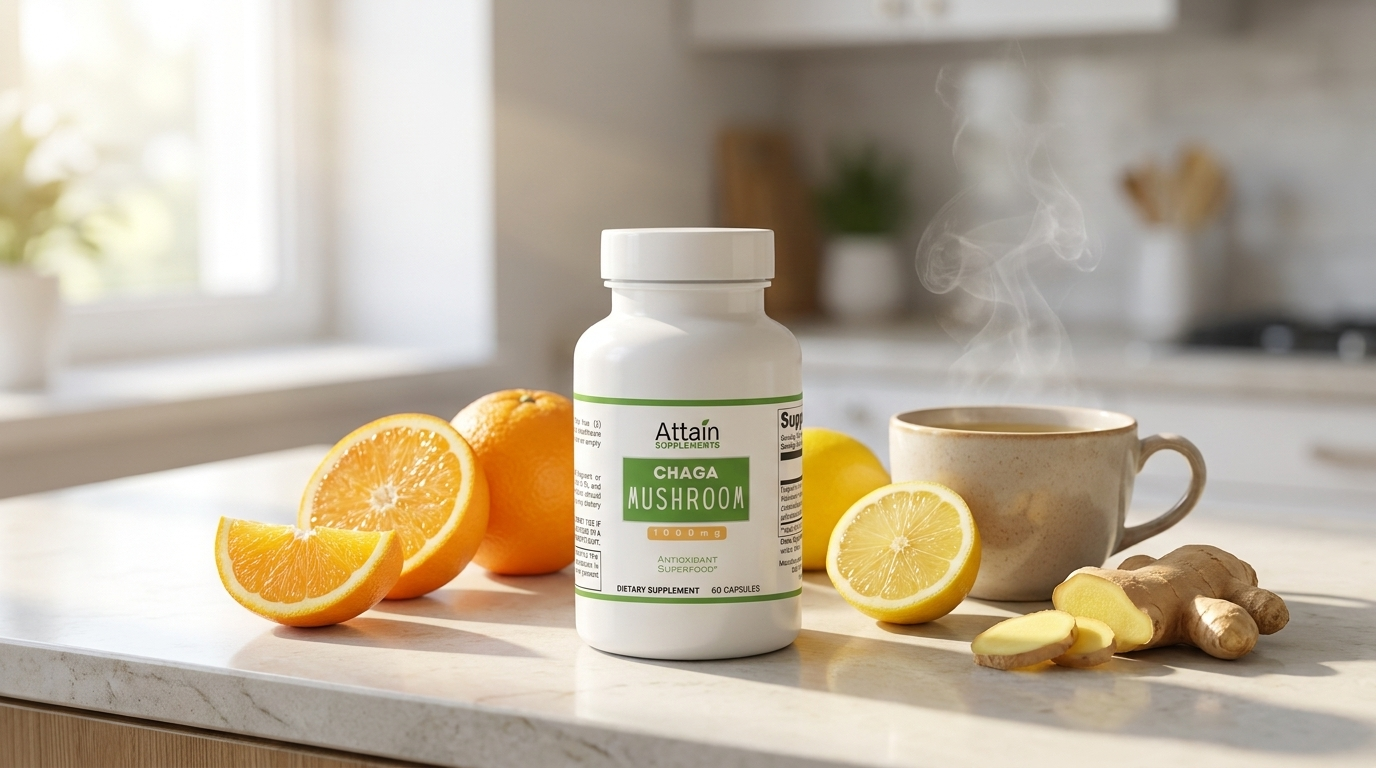
Looking to support your immune resilience as part of a balanced routine? Our Organic Chaga Mushroom Capsules 1000mg and Organic Reishi Mushroom Capsules are crafted to help support your body's natural defenses and a calm, balanced stress response. Browse the full Immunity & Balance collection to round out your daily wellness foundation alongside a zinc-rich diet.

FAQ
Why is this mineral considered so important for our body's defense system as we get older?
Our cellular defenses rely on numerous proteins and enzymes for proper function. This essential mineral acts as a structural component for hundreds of these proteins, including those involved in the development and activity of key protective cells. With age, our ability to absorb and utilize nutrients can decline, making adequate intake through diet or thoughtful supplementation a foundational aspect of maintaining resilience.
What are some common signs that my levels might be insufficient?
Signs can be subtle and non-specific. They may include a reduced sense of taste or smell, more frequent challenges with seasonal threats, delayed wound healing, or noticeable changes in hair and skin quality. Since these symptoms overlap with other conditions, assessing dietary intake and considering a conversation with a healthcare provider for testing can offer clarity.
Can I get enough from food alone?
For most healthy adults, a varied diet that includes zinc-rich foods such as oysters, lean red meat, poultry, legumes, nuts, and seeds can supply adequate daily intake. The recommended daily allowance is around 8 mg for adult women and 11 mg for adult men. Certain groups—including older adults, those with restrictive diets, and people with malabsorption conditions—may have a harder time meeting needs through food alone and should speak with a healthcare provider.
Is it possible to take too much, and why does copper matter?
Yes. The tolerable upper limit for adults is generally 40 mg per day. High doses over time can interfere with copper absorption, since the two minerals share the same transport pathways, and that imbalance can affect red blood cell formation and nerve health. This is why high-dose, long-term use should be supervised by a healthcare provider rather than self-directed.
These statements have not been evaluated by the Food and Drug Administration. This product is not intended to diagnose, treat, cure, or prevent any disease.