Think of your body as a high-performance vehicle. It requires quality fuel to operate at its peak. When that fuel is lacking, we experience a drop in performance, often felt as persistent fatigue.

Anthony L. Komaroff, MD, of Harvard Medical School, emphasizes that a diet rich in specific vitamins and minerals is foundational for sustaining energy levels.
Many people seek solutions for low energy. However, taking additional vitamins is only beneficial if a blood test confirms a deficiency.
Our guide focuses on evidence-based nutrition to optimize your body's function. We move beyond quick fixes to build lasting vitality.
We will explore how targeted dietary choices and health interventions can break the cycle of daily fatigue.
Understanding your unique physiological needs is the first step. It leads to restoring the resilience required for a demanding life.
Key Takeaways
- Your body requires specific nutrients, like a car needs proper fuel, to maintain high energy levels.
- A healthy diet rich in vitamins and minerals is essential for sustained vitality, according to Harvard's Dr. Komaroff.
- Supplemental vitamins should only be used when a blood test confirms a deficiency.
- Evidence-based nutrition offers a more reliable path to overcoming fatigue than unverified quick fixes.
- A balanced diet and targeted health strategies can help interrupt the cycle of low energy.
- Personalizing your approach based on your individual needs is key to long-term wellness.
Introduction to Energy and Nutrient Support
Sustained vitality is not a passive state. It is an active metabolic process fueled by specific nutrients. Your body requires these compounds to convert food into usable fuel.
This process supports everything from mental focus to physical endurance.
Why Energy Matters
Energy is the fundamental currency your body needs. It powers daily tasks and sustains long-term cellular health. Without adequate resources, your systems cannot function optimally.
Many people experience fluctuating vitality due to modern stressors. This makes foundational nutrition a non-negotiable priority for resilience.
The Role of Supplements
When your diet lacks essential vitamins and minerals, external support can help. These products are designed to fill nutritional gaps. They are not a substitute for the complex matrix of whole food.
We advocate for a measured, evidence-informed approach. Consulting a professional can determine if your body needs specific support.
| Nutrient | Primary Role in Energy | Key Sources |
|---|---|---|
| B Vitamins | Convert food into cellular fuel (ATP) | Dietary: Whole grains, legumes. Supplemental: B-complex. |
| Iron | Transports oxygen in blood for metabolism | Dietary: Red meat, spinach. Supplemental: Iron bisglycinate. |
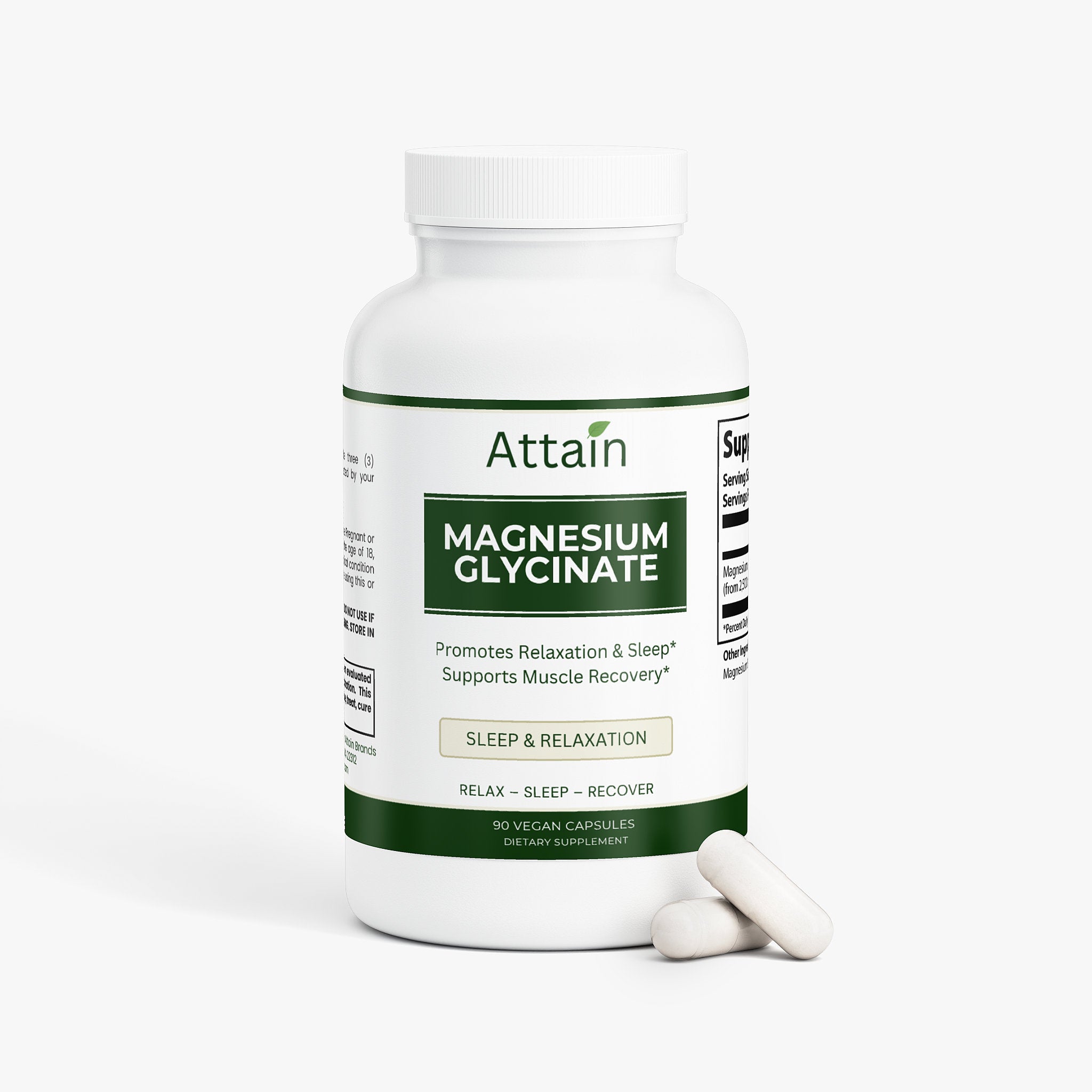
| Magnesium | Activates enzymes for ATP production | Dietary: Nuts, leafy greens. Supplemental: Magnesium glycinate. |
| Vitamin D | Supports mitochondrial function | Dietary: Fatty fish, eggs. Supplemental: D3 (cholecalciferol). |
Focusing on the role of these vitamins and minerals helps you support internal systems. For those seeking plant-based nutritional support, specific formulations exist. Always base decisions on clinical research and personal need.
Understanding Cellular Resilience
Every cell in your body functions as a miniature power plant. It requires specific resources to generate the energy you need for daily activities.
Fundamentals of Cellular Energy
Cellular resilience is your cells' capacity to maintain production despite stressors. This includes environmental factors and physiological fatigue.
Your body maintains internal balance to ensure each cell has necessary resources. This homeostasis supports consistent energy levels throughout your day.
Research indicates that people who support their cellular health with proper vitamins manage oxidative stress better. This daily stress impacts how your body functions at the microscopic level.
| Cellular Component | Primary Energy Function | Key Supporting Nutrients |
|---|---|---|
| Mitochondria | ATP production (cellular fuel) | B vitamins, CoQ10, Magnesium |
| Cell Membrane | Nutrient transport & signaling | Omega-3 fatty acids, Vitamin E |
| Antioxidant Systems | Neutralize oxidative stress | Vitamin C, Vitamin E, Selenium |
| Enzyme Networks | Catalyze metabolic reactions | Magnesium, Zinc, B vitamins |
Understanding these fundamentals helps you evaluate which nutritional support aligns with your needs. The right vitamin and mineral choices can enhance your cells' natural resilience.
How Diet Influences Energy Levels
The connection between the food on your plate and your feeling of vigor is fundamental. We view dietary intake as the primary intervention for maintaining optimal metabolic function.
Your daily meals supply the essential vitamins and minerals your systems require.
Nutrient-Rich Foods for Energy
Whole foods provide a complex matrix of phytonutrients and co-factors. This matrix supports your body in ways isolated supplements often cannot replicate.
Focusing on nutrient density ensures you receive these compounds in their most bioavailable forms.
Incorporating minerals like iron is crucial. Adequate intake helps prevent the deficiencies that lead to persistent fatigue and low energy levels.
When you choose high-quality food, you provide the foundational building blocks for sustained daily output.
Our approach encourages you to see your plate as the cornerstone of your strategy. Targeted supplements should only fill confirmed nutritional gaps.
A balanced diet rich in diverse foods is the most reliable path to consistent vitality.
best supplements for energy: A Research-Informed List
Navigating the world of health products requires a map drawn from clinical data. We have curated a selection based on scientific evidence to help you make informed choices.
These dietary supplements can help bridge nutritional gaps. Our priority is your safety and long-term cellular health.
Key Benefits of Each Supplement
Each nutrient offers distinct support for your metabolic processes. Understanding these benefits allows for targeted use.
| Nutritional Support | Primary Benefit for Vitality | Notable Clinical Insight |
|---|---|---|
| Iron | Critical for oxygen transport in blood | Addressing deficiency can directly improve fatigue and energy levels. |
| B-Complex Vitamins | Co-factors for cellular ATP production | B12 and folate are essential for neurological function and red blood cell formation. |
| Coenzyme Q10 | Supports mitochondrial electron transport | Research notes its role in cells' energy generation, especially with age. |
| Magnesium Glycinate | Activates hundreds of metabolic enzymes | This chelated form is noted for high bioavailability and gentle effects. |
“Supplementation should be personalized, guided by lab values and clinical presentation, not blanket marketing.”
Innovative Formulations and Fast Results
New delivery systems, like liposomal or methylated forms, aim to enhance nutrient absorption. These supplements can impact your body more efficiently.
Many people seek rapid improvements in vigor. While some vitamins and minerals can yield relatively quick energy support, lasting vitality addresses root causes.
True resilience is built through consistent habits. We empower you to choose options aligned with evidence-based wellness.
Vitamins That Boost Energy
We focus on two essential vitamins where deficiencies are common and consequences for vitality are significant. Adequate levels are fundamental for metabolic processes and neurological function.
Vitamin B12 and Folic Acid
Vitamin B12 is critical for nerve health and red blood cell formation. About 6% of people ages 60 and older are deficient in this nutrient.
An adult needs 2.4 micrograms (mcg) of B12 per day. Many people struggle with getting enough through their standard diet.
We advise that you only use a supplement if a blood test confirms you are actually low.
Vitamin D Essentials
Vitamin D, often called the sunshine vitamin, is produced in your skin. Nearly 1 billion people worldwide have a deficiency in this nutrient.
The recommended daily intake is 600 IU for adults up to age 70. It increases to 800 IU for older adults aged 71 and older.
Because your skin makes it from sunlight, we suggest you discuss supplement dosage with your doctor. This helps avoid potential toxic effects.
| Vitamin | Primary Role | Key Data | Guidance |
|---|---|---|---|
| Vitamin B12 | Nerve function & red blood cell synthesis | 6% deficiency in adults 60+; RDA 2.4 mcg/day | Confirm low levels via blood test before supplementing |
| Vitamin D | Calcium absorption & cellular communication | ~1 billion deficient globally; RDA 600-800 IU/day | Discuss dosage with a doctor due to skin production variability |
While these vitamins support energy, personalized intake based on evidence is key. Addressing a confirmed deficiency can help improve how your body functions daily.
Essential Minerals for Energy Production
Minerals act as silent conductors, orchestrating the biochemical reactions that power your every move. They are foundational co-factors in metabolic pathways.
We focus on two critical minerals where intake often falls short. Their roles are distinct yet equally vital for maintaining robust energy levels.
Iron for Oxygen Transport
Iron is central to hemoglobin, the protein in red blood that carries oxygen. Without adequate iron, your tissues cannot receive the oxygen required for fuel production.
This can lead to iron-deficiency anemia, marked by profound fatigue. Data shows 1 in 6 older adults and 16% of women with heavy periods experience this deficiency.
We caution that taking iron supplements without a confirmed need can cause iron overload. This may damage your heart and liver.
Magnesium’s Role in Energy Metabolism
Magnesium activates over 300 enzymatic reactions, including those that generate ATP. Nearly 48% of the U.S. population consumes less than the required amount.
Magnesium helps move blood sugar into your muscle tissue for use. Getting enough supports your body's daily energy output and physical performance.
| Mineral | Primary Function | Key Data | Dietary Sources |
|---|---|---|---|
| Iron | Oxygen transport in blood | High deficiency risk in older adults & women with heavy periods | Red meat, spinach, lentils |
| Magnesium | Activates ATP-producing enzymes | 48% of U.S. population has inadequate intake | Nuts, leafy greens, whole grains |
| Zinc | Supports immune function & protein synthesis | RDA: 11 mg/day (men), 8 mg/day (women) | Shellfish, legumes, seeds |
Your body needs small amounts of these minerals. Ensuring you are getting enough through foods or targeted support is key for sustained vitality.
Addressing Nutrient Deficiencies and Fatigue
We view ongoing fatigue not as a standalone condition, but frequently as a symptom of a deeper nutritional imbalance. A persistent lack of energy often points directly to a specific deficiency.
Seeking a blood test is the critical first step. It identifies the root cause, moving you from guesswork to clarity.
When you are not getting enough of key vitamins like B12 or minerals like iron, your body struggles. It cannot maintain the levels of vitality needed for daily life, leading to that feeling of low energy.
Your system requires a precise balance of nutrients to function without the constant drain of exhaustion.
| Common Deficiency | Primary Symptom | Corrective Action |
|---|---|---|
| Vitamin B12 | Neurological fog, profound tiredness | Confirmed via test; targeted diet or supplement |
| Iron | Shortness of breath, pallor | Address underlying cause; medical-grade supplements |
| Vitamin D | Muscle weakness, low mood | Sun exposure, dietary adjustment, measured support |
“Fatigue is one of the most common complaints in primary care. A significant portion of these cases are remediable with proper nutritional repletion.”
We emphasize that a supplement should only correct a diagnosed gap. It is not a general cure.
Many people see dramatic improvements once they address their specific nutrient needs through targeted intervention.
Work with your doctor to determine if your fatigue relates to a deficiency. This partnership ensures any support you use is specific and high-quality.
The Science Behind Energy Supplements
Behind every claim about vitality lies a body of research that either supports or refutes its physiological impact. We rely on clinical evidence to evaluate whether nutritional support truly influences your energy levels.

Scientific studies show your body needs specific cofactors to convert food into fuel within your cells. Minerals like iron help facilitate this process in your blood.
Clinical Evidence and Expert Opinions
Many people believe taking extra vitamins provides a boost. The data suggests this only holds true if you have a confirmed deficiency.
We examine expert opinions on the safety and efficacy of various products. This helps you distinguish marketing hype from actual physiological impact.
Our commitment is to provide accurate information. This empowers you to support your health with confidence and clinical precision.
Herbal Adaptogens for Natural Energy
Beyond vitamins and minerals, a class of herbs known as adaptogens can provide gentle, non-stimulant support for vitality. These plants help your body adapt to physical and mental stress, a common drain on daily resources.
We view them as tools for modulating your stress response. This can indirectly support sustained energy levels without jittery side effects.
Benefits of Ashwagandha
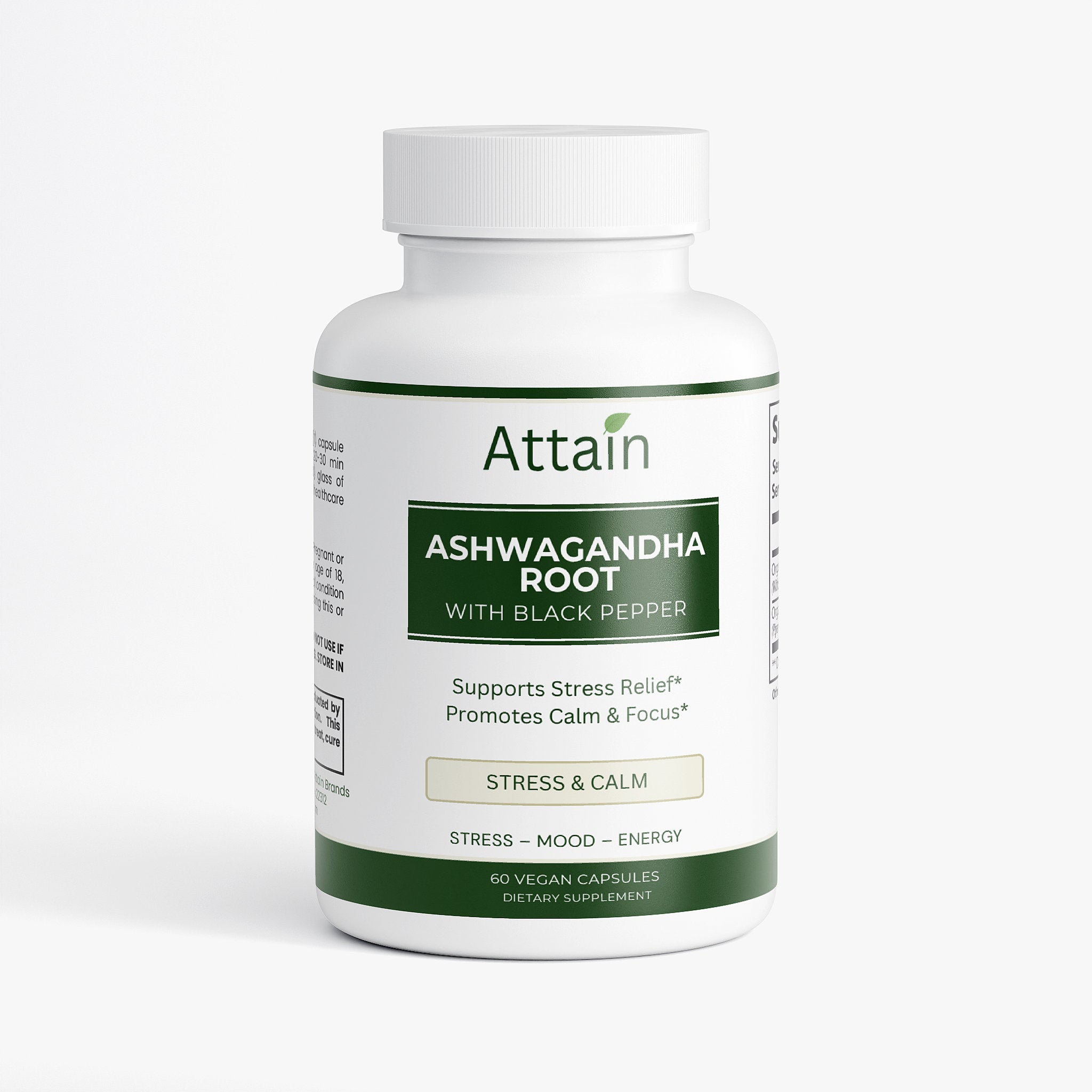
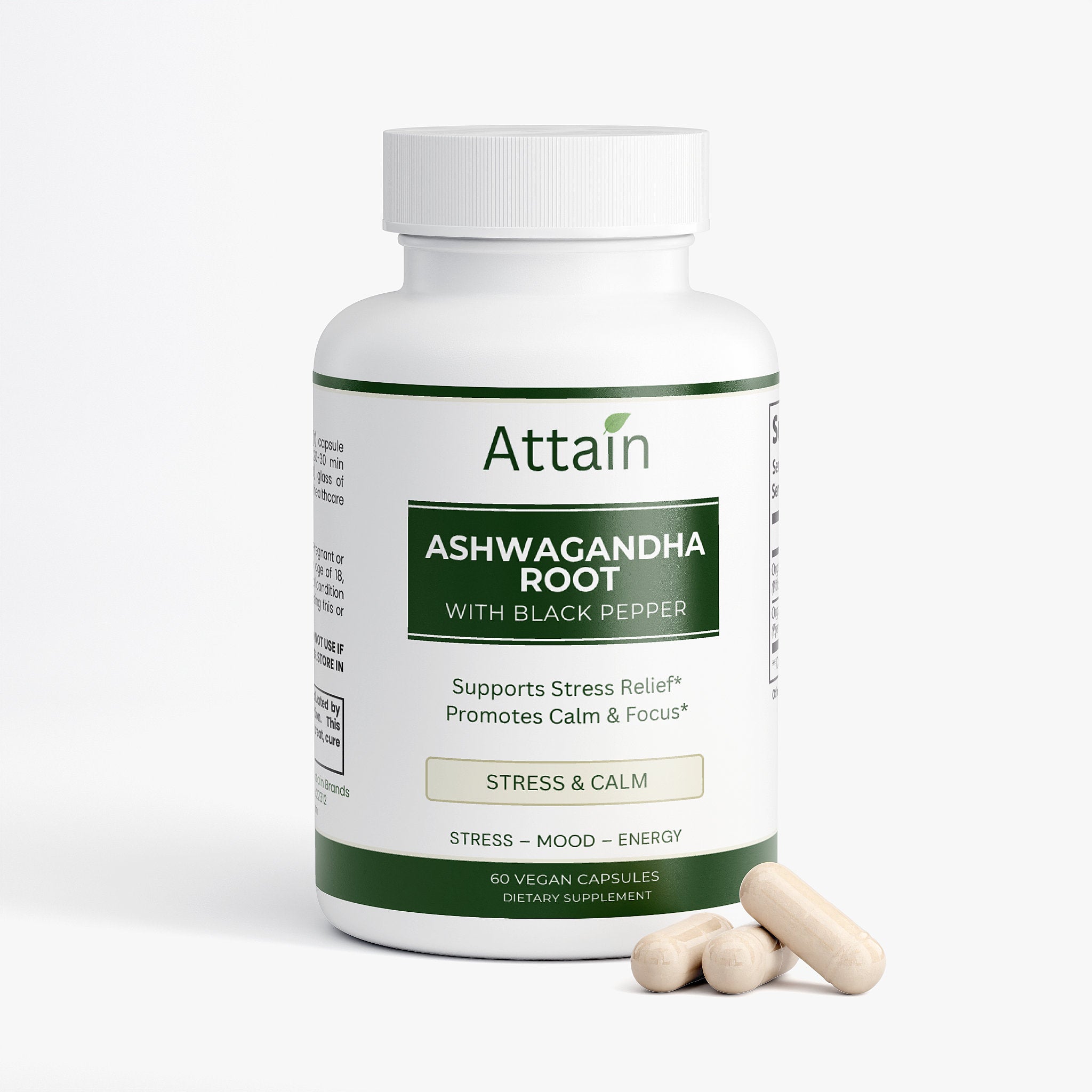
Ashwagandha is an adaptogenic herb that may also help your body manage stress. Traditional usage suggests a dosage of 500 mg taken twice daily.
We note its popularity, but it is not suitable for everyone. Those with autoimmune conditions or thyroid issues should exercise caution.
Rhodiola Rosea Insights
Rhodiola Rosea is another herb shown to improve mental performance. Various clinical studies indicate it can reduce feelings of fatigue.
These adaptogens work by supporting your body's natural resilience. They address a root cause of low energy.
| Adaptogen | Primary Support | Typical Dosage | Key Considerations |
|---|---|---|---|
| Ashwagandha | Stress response modulation | 500 mg, twice daily | Not advised for autoimmune or thyroid conditions |
| Rhodiola Rosea | Mental performance & fatigue reduction | 200-400 mg daily | Best taken in the morning; may interact with some medications |
We advise treating these herbal supplements with the same caution as vitamins. Ensure they do not interact with your current health status.
By integrating them thoughtfully, you support your body without relying on stimulants. This approach minimizes unwanted effects for many people.
Supplements and Their Impact on Physical Performance
The quest for improved endurance often overlooks the foundational role of specific minerals in cellular respiration. We examine how targeted nutritional support can influence your physical output and recovery.
Boosting Athletic Endurance
Athletic endurance is often limited by your body's ability to transport oxygen. This is why iron is a critical mineral for performance.
We discuss how magnesium supplements may also help improve exercise gains. They assist with muscle function and reduce lactate buildup.
Managing Fatigue Safely
Managing fatigue safely requires that you monitor your blood levels. Avoid taking excessive supplements that could interfere with your health.
Clinical evidence suggests these products help with short-term bursts of energy. They cannot replace the need for proper recovery.
Many people use them to enhance physical performance. We emphasize that safety must always come before athletic gains.
By understanding the impact of these nutrients, you can train more effectively. You will recover with greater ease and sustain your energy levels.
Integrating Supplements into Your Daily Routine
We build lasting energy by weaving supportive nutrients into the fabric of our daily actions. This integration requires a thoughtful plan, not random addition.
It should be done under the guidance of experts who understand your specific nutrient needs. They can help you interpret your body needs based on data.
Diet, Exercise, and Recovery Synergy
Your body requires a consistent foundation of diet and exercise before you consider adding dietary supplements. When you are getting enough nutrients from food, you may not need a supplement.
High amounts of isolated vitamins or minerals can sometimes lead to adverse effects. For instance, taking iron without a confirmed deficiency is not advised.
We provide a framework for combining these elements. Your recovery is supported by both your nutritional intake and your lifestyle habits.
Many people find a simple, consistent routine is most effective. It helps maintain energy levels and prevent the onset of fatigue.
Focus on the synergy between daily habits and necessary support. This approach leads to a more balanced and energetic life.
Combining Lifestyle Changes with Supplementation
We approach wellness as a synergistic system where lifestyle choices and supplementation work in concert. This integration creates a powerful effect that supports your body in overcoming chronic low energy.

Diet, Exercise, and Recovery Synergy
We advocate for a diet rich in whole grains and other nutrient-dense foods. These provide the magnesium and iron your system needs daily for optimal function.
Regular physical activity is essential for maintaining muscle health and robust blood flow. Both are critical for sustaining your energy levels throughout the week.
Recovery is the final piece. It allows your body to repair and replenish the stores depleted by daily activity. Quality sleep and rest are non-negotiable for this process.
We encourage you to view your health holistically. Every choice, from your food to your sleep, impacts your vitality and supports optimal mental wellness.
By making these adjustments, you build a more resilient foundation. This reduces reliance on external supplements for long-term energy.
Expert Tips on Choosing the Right Supplement
A thoughtful approach to supplementation prioritizes safety, efficacy, and long-term cellular health. We guide you through a process rooted in clinical evidence.
Experts recommend that you always start with a blood test. This confirms a real deficiency before you consider any dietary supplements.
Check the specific amounts of each nutrient in your products. Exceeding safe daily limits can disrupt your body's natural balance.
Choosing the right iron or magnesium supplement requires understanding your body needs. Look for bioavailable forms like iron bisglycinate or magnesium glycinate.
Many people feel overwhelmed by the options. We suggest focusing on high-quality brands that provide full transparency about their ingredients.
By following these tips, you avoid common market pitfalls. You can focus on what truly supports your energy levels.
Our goal is to help you make informed decisions. They should prioritize your long-term wellness over temporary energy boosts.
Conclusion
Our journey through the science of vitality underscores a core principle: sustainable energy is built, not bought.
We have explored how vitamins and minerals are essential for maintaining your energy levels and supporting your body against the effects of fatigue. Many people find that addressing deficiency through a balanced diet can help manage related conditions naturally.
It remains vital to remember that products like iron supplements should only follow confirmation from experts. This avoids the risks of unneeded intake.
We hope this guide clarifies that your long-term health requires a holistic approach. By focusing on evidence-based choices, you build a foundation where lifestyle and nutrition work together. This is the true path to overcoming low energy and achieving stable, lasting vitality.
Related Products from Attain
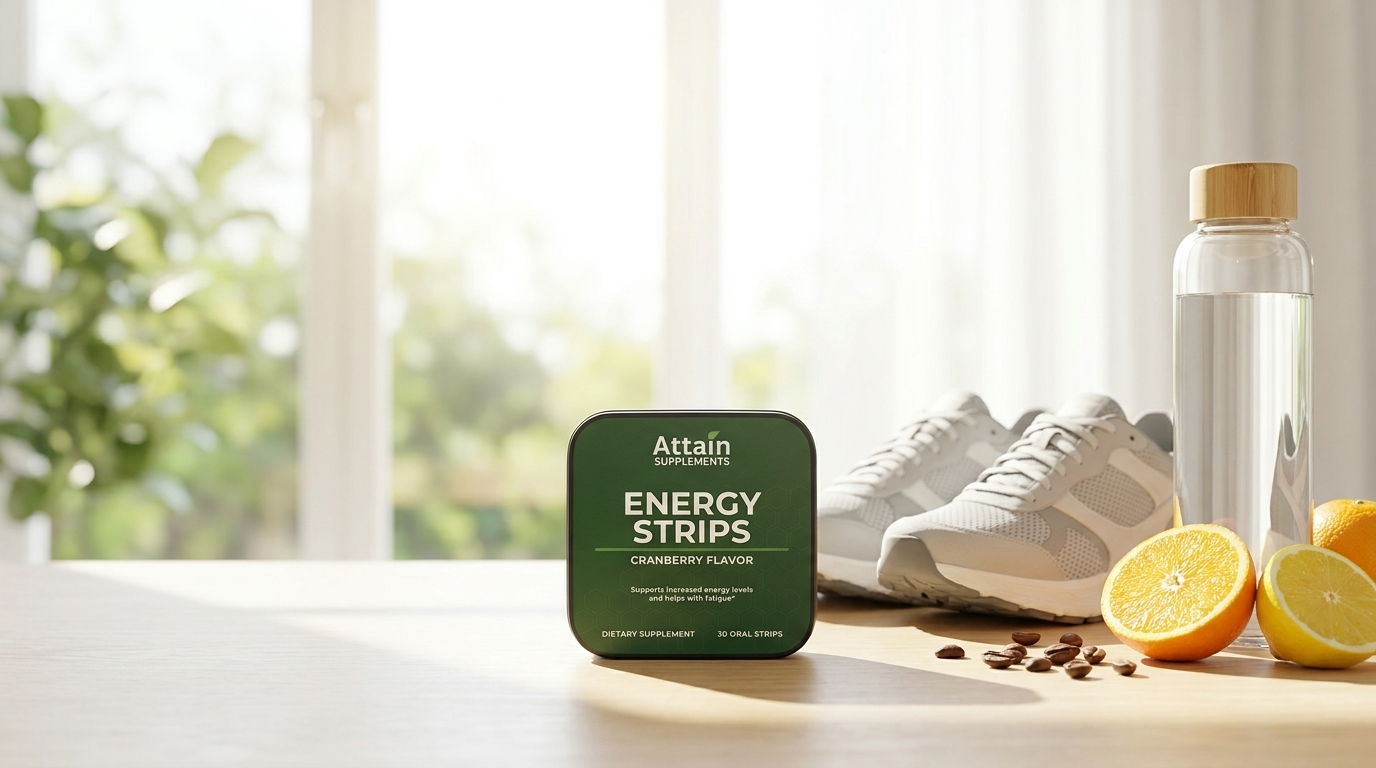
Want fast, no-crash support you can take on the go? Our Energy Support Strips deliver focus-supporting nutrients in a convenient dissolvable strip. Pair them with Maca Plus Capsules for everyday vitality and CoQ10 Ubiquinone Capsules to support mitochondrial energy production. Explore the full Energy & Performance collection to build a routine that supports steady energy without the jitters.

FAQ
What is the primary role of a supplement for supporting energy?
A high-quality supplement provides concentrated, bioavailable forms of nutrients that are foundational for cellular energy production. We view them as supportive tools that fill nutritional gaps in your diet, helping your mitochondria—your cells' power plants—function optimally. They are not a replacement for a nutrient-rich diet but can help maintain consistent vitality.
Can low vitamin levels really cause persistent tiredness?
Yes, absolutely. Deficiencies in key nutrients like vitamin B12, iron, and magnesium directly impair metabolic pathways. For instance, low B12 or iron can disrupt red blood cell formation, limiting oxygen delivery to tissues. This creates a cellular energy deficit that manifests as fatigue, even with adequate sleep.
I eat a balanced diet. Why would I need additional support?
Even the most conscientious diets can have gaps due to soil depletion, modern food processing, or individual absorption issues. Factors like age, stress, and certain health conditions can increase your body's demand for specific nutrients. A targeted supplement acts as a safety net, ensuring your cells receive the precise building blocks they need for resilience.
How does iron contribute to my daily vitality?
Iron is a central component of hemoglobin, the protein in red blood cells that carries oxygen from your lungs to every tissue in your body. Without sufficient oxygen, your cells cannot efficiently produce ATP, which is your primary cellular fuel. Supporting healthy iron levels is therefore fundamental for maintaining energy and reducing feelings of fatigue.
What is magnesium's connection to energy metabolism?
Magnesium is a cofactor in over 300 enzymatic reactions, many directly involved in converting food into usable cellular energy (ATP). It helps activate ATP itself, making the energy available for your body to use. A deficiency can slow these critical processes, making adequate intake crucial for metabolic efficiency and muscle function.
Are adaptogens like ashwagandha safe for long-term use?
When used appropriately and from reputable sources, adaptogens like ashwagandha and Rhodiola rosea are generally considered safe for long-term support. They work by helping your body adapt to stress, which can indirectly support energy levels by promoting a calmer, more balanced state. We always recommend consulting with a healthcare provider to ensure they align with your individual health profile.
How do I choose the right formulation for my needs?
Focus on evidence-based ingredients that address your specific concerns. Look for formulations that prioritize bioavailable forms—like methylated B vitamins or chelated minerals—for better absorption. We believe in starting with a foundation of core nutrients like B-complex vitamins, magnesium, and iron (if needed), then considering additional supportive compounds like CoQ10 or adaptogens based on your goals.
Can lifestyle changes enhance the benefits of these nutrients?
Without a doubt. Supplements work in synergy with your lifestyle. Prioritizing sleep, managing stress, consuming whole foods like leafy greens and whole grains, and engaging in regular movement all support mitochondrial health. This holistic approach creates an environment where supplemental nutrients can be most effectively utilized by your body for sustained vitality.
These statements have not been evaluated by the Food and Drug Administration. This product is not intended to diagnose, treat, cure, or prevent any disease.