Supporting your body's natural aging process requires a foundation of key nutrients. These elements are vital for maintaining cellular function and long-term vitality.
Globally, one of the most common dietary supplements is derived from marine sources. The essential fatty acids it provides are crucial for your cells to operate correctly and for producing important hormones.
We explore the science behind these nutrients. Our guide translates complex clinical research into clear, actionable insights for your systemic wellness.

You will learn how to navigate whole foods and supplements to meet your needs. We prioritize evidence to help you make informed choices to fortify your cells for long-term vitality.
Key Takeaways
- Certain essential fatty acids are fundamental for healthy cell function and hormone production.
- Derived from marine sources, these nutrients are widely consumed as a dietary supplement worldwide.
- Understanding the evidence-based advantages can support graceful aging and cellular resilience.
- This guide translates complex scientific research into accessible, practical information.
- You will learn strategies to effectively meet your nutritional requirements through diet and supplementation.
- Our approach is rooted in clinical confidence and a commitment to long-term wellbeing.
Understanding Omega-3 Fish Oil and Its Role in Health
Navigating the world of these nutrients requires distinguishing between their key active forms. This clarity is foundational for making informed choices about your daily intake.
Key Components: EPA and DHA Explained
High-quality marine supplements derive their value from two primary fatty acids. These are eicosapentaenoic acid (EPA) and docosahexaenoic acid (DHA).
Approximately 30% of this source consists of these essential compounds. They are vital for maintaining the structural integrity of your cells. This composition also includes supportive vitamins like A and D.
Fish Oil vs. Plant-Based Omega-3 Sources
Plant-based options, such as flaxseed, provide alpha-linolenic acid (ALA). Your system must convert ALA into EPA and DHA to gain similar advantages.
This conversion process is often inefficient. Therefore, marine sources offer a more direct and bioavailable route for these critical nutrients.
Understanding these different types is essential for optimizing your nutrition. It supports your long-term metabolic health goals effectively.
Omega-3 Fish Oil Benefits for Heart and Brain Health
The profound influence of certain marine-derived nutrients extends directly to two of your body's most vital systems: the cardiovascular and the neurological.
We examine the evidence linking these essential fatty acids to robust circulatory function and sustained mental clarity.
Heart Health Insights from Fish Consumption
Clinical research consistently shows that populations with high seafood intake experience significantly lower rates of cardiovascular disease.
The fats in fish oil help regulate key factors. They can support healthy blood pressure and reduce the formation of arterial plaques.
Maintaining optimal levels of these fatty acids in your blood is a foundational strategy for long-term heart health.
Boosting Cognitive Function with Omega-3s
Your brain is composed of approximately 20% polyunsaturated fatty acids. This structural reliance highlights why omega-3 fatty acids are critical for typical cognitive operation.
These compounds are integral to cell membrane fluidity in neural tissues. This supports efficient communication between brain cells.
A diet rich in these nutrients is associated with protecting cognitive sharpness as you age.
Supporting Cellular Health and Reducing Inflammation
Cellular membranes and inflammatory pathways represent two critical fronts for maintaining internal equilibrium. We examine how specific nutrients contribute to both structural integrity and systemic balance.

How Omega-3s Strengthen Cell Membranes
Every cell in your body relies on a flexible, functional membrane. Omega-3 fatty acids are essential components of these protective barriers.
They integrate into the lipid bilayer, increasing membrane fluidity. This supports proper cellular communication and nutrient transport. Your long-term vitality depends on this foundational integrity.
Natural Anti-Inflammatory Mechanisms
These same fatty acids act as precursors for hormone-like compounds called eicosanoids. These molecules help regulate your body's inflammatory response.
By promoting a balanced environment, they may help support comfort. For instance, research notes that fish oil supplements can support joint comfort and reduce stiffness for many individuals.
This natural mechanism supports your system in maintaining a balanced internal state.
| Fatty Acid | Primary Role in Cellular Health | Key Anti-Inflammatory Action |
|---|---|---|
| EPA (Eicosapentaenoic Acid) | Supports cell membrane plasticity and signaling | Precursor to anti-inflammatory eicosanoids |
| DHA (Docosahexaenoic Acid) | Critical for neural and retinal membrane structure | Modulates cellular inflammation pathways |
| ALA (Alpha-Linolenic Acid) | Converted to EPA and DHA; less efficient | Indirect support via conversion |
Ensuring adequate intake of these essential fats through your diet is a proactive step. It helps maintain cellular resilience and a balanced internal state.
Vision and Eye Health
Scientific evidence points to a clear connection between certain dietary fats and long-term eye health. Protecting your sight involves understanding this vital relationship.
Supporting Retinal Health and Visual Clarity
The retina is uniquely rich in DHA. This specific fatty acid is critical for its structural integrity and functional capacity.
It helps maintain membrane fluidity in photoreceptor cells. This supports optimal light signal processing and visual sharpness.
A comprehensive review of 21 studies provides compelling data. Higher dietary intake of EPA and DHA is associated with supporting long-term eye health.
Consuming whole marine sources is strongly linked to these supportive associations. This highlights the value of these nutrients from food.
Evidence for isolated supplements, however, remains less definitive. This distinction is important for your nutritional strategy.
Consistent intake of these essential fats is a proactive measure. It helps support visual acuity as part of healthy aging.
We help you understand the specific role these compounds play in preserving your sight. Our approach is rooted in the latest clinical insights.
Mental Health and Cognitive Support
Maintaining mental clarity and emotional balance is a cornerstone of healthy aging. We explore how specific nutrients contribute to this vital aspect of wellbeing.
Evidence-Based Links to Mood Support
A 2023 meta-analysis of 48 studies provides compelling data on cognitive aging. Regular use of these nutrients is associated with supporting healthy cognitive function over time.
Research connects higher intake of these fatty acids to mood support. This is particularly noted in postmenopausal women and other populations.
Clinical observations show that people experiencing mood concerns often have lower blood levels of these essential fats. This indicates a potential gap in their nutrition.
By supporting brain function, these nutrients offer a proactive approach to your mental wellness.
Our review of the scientific literature highlights the importance of these nutrients. They are key for long-term brain health and emotional stability.
Supporting Joint, Skin, and Liver Function
Your joints, skin, and liver each represent distinct areas where specific dietary fats demonstrate functional support. We examine the clinical data linking these nutrients to tangible improvements in comfort, appearance, and metabolic organ health.

Supporting Joint Comfort and Skin Health
The anti-inflammatory properties of these fatty acids help support joint comfort and ease stiffness. This is relevant for everyday physical activity.
Your skin, the body's largest organ, also receives support. Consistent intake may help maintain healthy skin.
This dual action promotes both physical comfort and visible skin integrity.
Supporting Healthy Liver Fat Metabolism
Clinical study data highlights a key metabolic role. These nutrients can support healthy liver function and metabolism.
They support metabolic health by helping maintain healthy fat levels in this vital organ. This action helps the liver process dietary fats efficiently.
Supporting liver nutrition is a proactive step for long-term systemic wellness.
omega-3 fish oil benefits: Evidence and Insights
Clinical evidence for dietary supplements often presents a complex and nuanced picture. We examine the totality of research to provide a balanced perspective.
Review of Scientific Studies and Meta-Analyses
A 2021 meta-analysis published in Circulation revealed important data. Very high-dose concentrated marine supplements were associated with a higher reported rate of irregular heartbeat in some participants.
This finding underscores a critical consideration. High-dose intake requires careful medical oversight.
Another comprehensive review analyzed 79 clinical trials. It found the cardiovascular effects of supplements vary, underscoring the value of whole-food sources.
The role of these nutrients varies by individual. Our analysis emphasizes looking at the whole body of research.
| Research Focus | Study Type | Key Finding | Practical Implication |
|---|---|---|---|
| Irregular Heartbeat | Meta-analysis (2021) | Higher reported rate with very high-dose use | Caution with high-dose supplementation |
| Cardiovascular Outcomes | Review of 79 trials | Effects vary across studies | Whole food sources may be more reliable |
| General Anti-Inflammatory Support | Aggregate clinical data | Positive effects on joint comfort and skin | Supports balanced systemic wellness |
While essential fatty acids are crucial for health, the form of intake matters. We encourage you to consider whole food sources for more consistent outcomes.
Choosing Between Supplements and Whole Food Sources
The choice between dietary sources and concentrated oils is central to a personalized nutrition strategy. We provide a clear comparison to inform your decision.
Whole Foods vs. Fish Oil Supplements
A 6-ounce serving of wild salmon provides a robust 1.8 grams of essential fatty acids. This rivals the amount in two standard capsules.
Whole foods offer a superior nutritional profile. They deliver complete protein, vitamins, and minerals alongside EPA and DHA.
Taking fish oil supplements may help those who do not eat oily fish weekly. They serve as a practical alternative to meet basic targets.
Optimizing Fish Oil Intake for Daily Nutrition
The recommended dietary intake is 1,100 mg for women and 1,600 mg for men daily. Achieving this through food is often most effective.
When selecting oil supplements, prioritize third-party testing. This verifies the purity and concentration of eicosapentaenoic acid and docosahexaenoic acid.
Consult your doctor before taking fish oil if you use blood-thinning medications. This ensures safe integration with your health plan.
Conclusion
Integrating these essential fats into your daily routine is a strategic commitment to long-term wellness. We have explored the evidence supporting cellular resilience and graceful aging.
Obtaining these compounds from whole foods, like salmon, remains a highly effective approach. Marine supplements serve as a practical alternative for some individuals.
Maintaining optimal levels is supportive for cardiovascular, cognitive, and visual health. It also helps maintain a balanced inflammatory response in your body.
Always consult a healthcare provider before beginning any new supplement regimen. This is especially important if you have existing conditions or take medications.
Prioritizing a diet rich in seafood naturally supplies the nutrients your cells require. For detailed guidance, refer to the NIH fact sheet on essential fatty acids.
Related Products

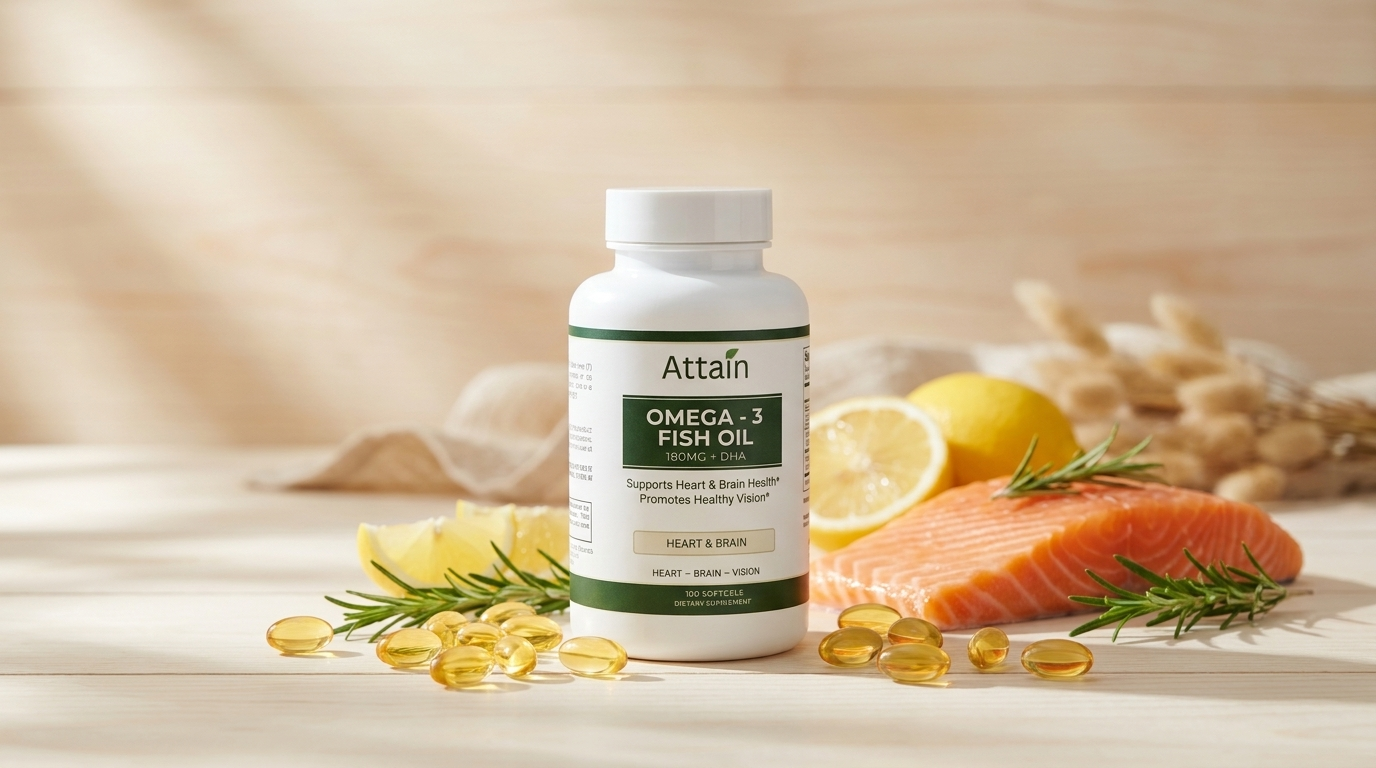
Want a reliable daily source of EPA and DHA? Our Omega-3 EPA 180mg DHA 120mg softgels deliver these essential fatty acids in a convenient, third-party-tested form to support heart, brain, and cellular health. Explore more options for healthy aging in the Longevity & Anti-Aging collection.
FAQ
What exactly are omega-3 fatty acids?
Omega-3s are essential polyunsaturated fats your body cannot produce on its own. The most crucial types for human health are eicosapentaenoic acid (EPA) and docosahexaenoic acid (DHA). These fats are fundamental building blocks for cell membranes, support cellular communication, and help regulate the body's natural inflammatory processes.
What are the primary health advantages of EPA and DHA?
These fatty acids support systemic wellness. EPA is closely studied for its role in promoting a healthy inflammatory response and supporting cardiovascular function. DHA is a major structural component of the brain and retina, vital for cognitive maintenance and visual acuity. Together, they contribute to foundational cellular health.
Can I get enough from plant sources like flaxseed?
Plant sources provide alpha-linolenic acid (ALA), which the body must convert to EPA and DHA. This conversion process is inefficient for most people. While ALA is beneficial, direct sources of EPA and DHA, such as fatty fish or high-quality supplements, are considered more effective for achieving optimal tissue levels.
How do these nutrients support heart health?
Research indicates that adequate intake of EPA and DHA supports healthy blood triglyceride levels, promotes normal blood pressure, and may support healthy vascular function. They contribute to overall cardiovascular resilience as part of a balanced lifestyle.
Is there a link between omega-3s and brain function?
Yes. DHA is a primary fat in the brain, essential for maintaining cell membrane fluidity and facilitating neural communication. Consistent dietary intake is associated with supporting memory, focus, and long-term cognitive maintenance as we age.
How do they help with inflammation?
EPA and DHA are precursors to molecules that help resolve the body's inflammatory response. By integrating into cell membranes, they support the balanced production of signaling compounds, promoting a healthier systemic environment and aiding joint comfort.
Can they support long-term eye health?
DHA is highly concentrated in the retina. Evidence suggests that maintaining sufficient levels of this fatty acid through diet or supplementation may support retinal health and visual function over time, playing a role in long-term eye wellness.
What is the recommended daily amount?
General guidelines suggest a combined intake of 250-500 mg of EPA and DHA for healthy adults. Individual needs vary based on health status and goals. We recommend consulting with a healthcare provider to determine the right amount for your personal nutrition plan.
Are there any risks to taking a supplement?
High-quality supplements from reputable sources are generally well tolerated by most people. Potential minor side effects can include a fishy aftertaste or digestive discomfort. Individuals on blood-thinning medication should consult their doctor before starting any new dietary regimen.
Should I choose fish or a supplement?
Consuming fatty fish like salmon or mackerel provides excellent nutrition, including protein and other vitamins. For those who do not eat fish regularly, a purified, high-concentration supplement is a reliable alternative to support adequate intake of these essential fatty acids.
These statements have not been evaluated by the Food and Drug Administration. This product is not intended to diagnose, treat, cure, or prevent any disease.